New Immune 'Ecotypes' Revolutionize Multiple Myeloma Staging, Unlocking Personalized Treatment Paths
Context mode is active. Hover over any highlighted term to see its definition. Click a nested term to go deeper.
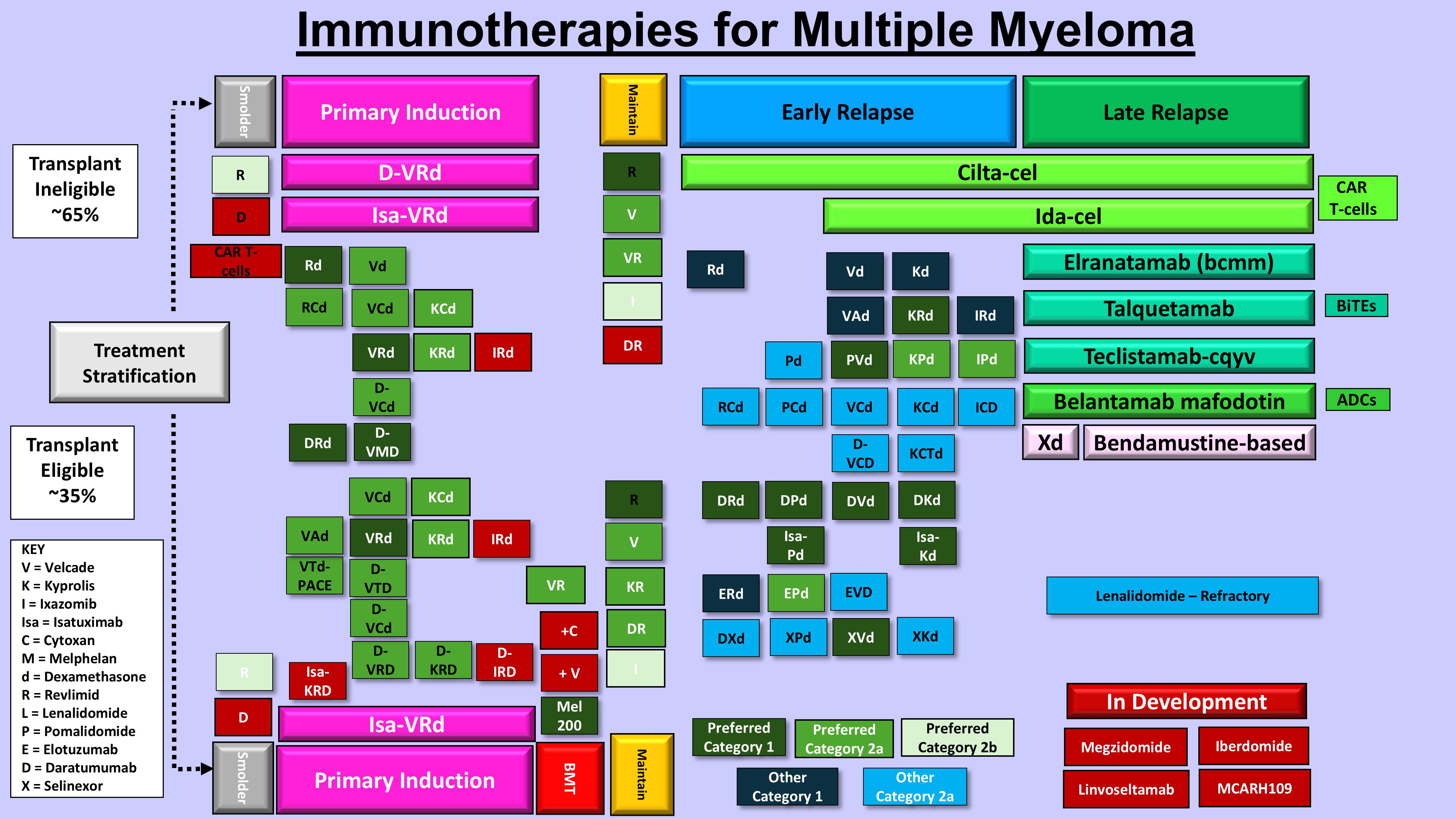
Researchers at The University of Texas MD Anderson Cancer Center have made a significant breakthrough in understanding multiple myeloma, a puzzling blood cancer, by identifying distinct 'immune ecotypes' within the bone marrow's tumor microenvironment. Published yesterday, these five newly mapped ecotypes offer a critical new lens to explain why patients with seemingly identical disease staging can experience dramatically different outcomes and responses to treatment, charting a path toward more precise patient care. This deep dive into the immune system's role moves beyond traditional tumor-centric views, offering hope for better predictions and tailored therapies. The long-standing challenge in multiple myeloma has been the limitations of current disease staging systems, like the Revised International Staging System (R-ISS), which often fail to capture the full biological aggressiveness or predict individual patient responses accurately. MD Anderson's comprehensive single-cell map, built from 235 patient samples across various disease stages, revealed that these immune ecotypes are not fully explained by stage alone and are even detectable in precursor conditions, suggesting their potential for early risk assessment. The findings also illuminate why some tumors are more 'visible' to the immune system, directly impacting responsiveness to powerful immunotherapies such as CAR T-cell therapy and bispecific antibodies, which are increasingly critical in managing this often-relapsing cancer. Looking ahead, this groundbreaking research is poised to revolutionize how multiple myeloma is classified and treated. Scientists will now work to validate these ecotypes in larger patient populations and explore how they can be easily measured using existing clinical tools. The goal is to develop next-generation personalized risk assessment strategies and inform the selection of targeted therapies, potentially leading to new combination treatments that recondition the host's immune system rather than solely focusing on the cancer cells. This discovery marks a pivotal step toward a future where treatment decisions are guided by a patient's unique immune landscape, moving closer to truly personalized medicine.