Moscow Pitches Ambitious Rail Corridor to India, Bypassing Troubled Straits
Context mode is active. Hover over any highlighted term to see its definition. Click a nested term to go deeper.
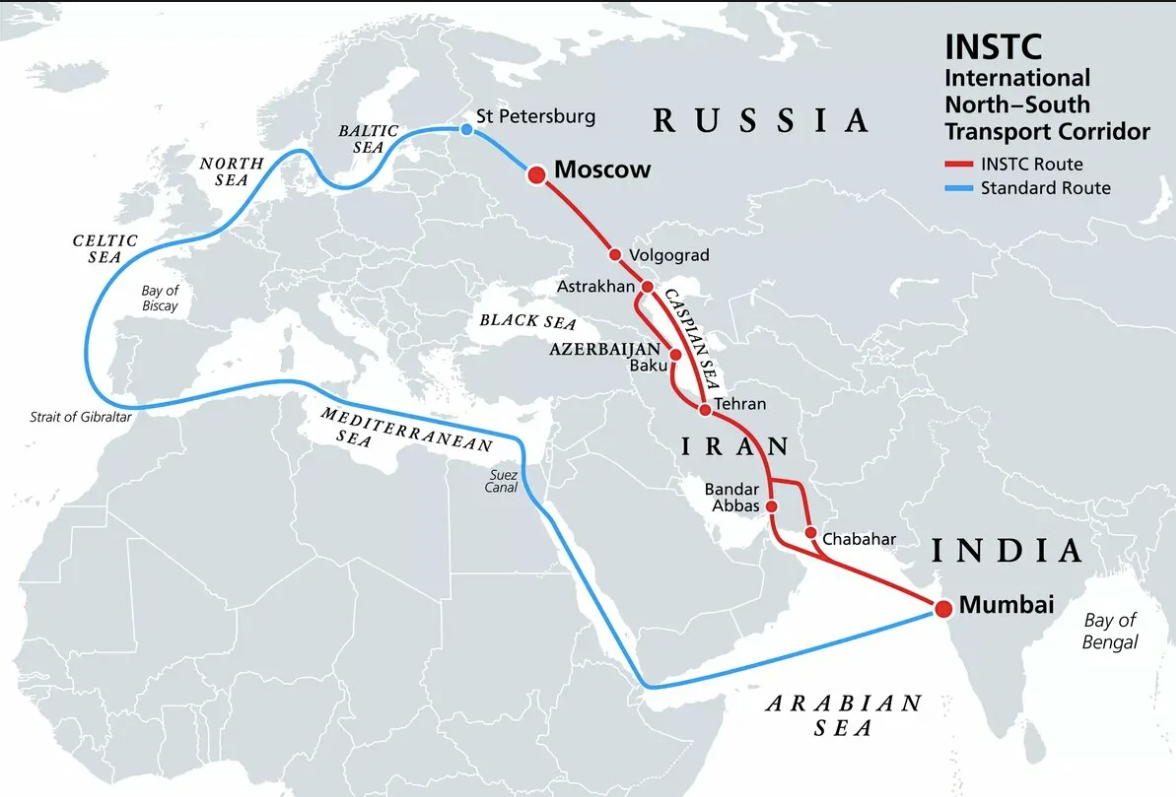
In a bold move to redraw global trade maps, Russia Deputy Prime Minister Marat Khusnullin has proposed seriously exploring a new railway line connecting Russia to the Indian Ocean, aiming to reach India by bypassing risky traditional sea lanes. This ambitious plan, floated in an interview with the TASS news agency, suggests a route through Turkmenistan, Iran, Afghanistan, and Pakistan to avoid the growing dangers at critical chokepoints like the Bosphorus and the Strait of Hormuz. Moscow is pushing for 'any options providing access to India' to reduce its dependence on these unpredictable maritime passages. This proposal comes at a time of severe disruption in key global shipping arteries. The Strait of Hormuz has been largely blocked since February 28, 2026, due to ongoing conflict involving the US, Israel, and Iran, leading to a global fuel crisis and sharply increased energy prices, affecting about 25% of global oil and 20% of liquefied natural gas trade. Meanwhile, the Bosphorus and Dardanelles strait, while officially open, are experiencing temporary delays and heightened security measures linked to the Russia-Ukraine war and drone attacks in the Black Sea, driving up shipping insurance costs. This new rail idea builds on the existing International North-South Transport Corridor (INSTC), a 7,200 km multimodal network initiated by Russia, India, and Iran, which saw its first official direct rail cargo transit from Russia to India via its eastern branch just last month. While the concept offers a significant potential boost to trade and supply chain resilience, turning this vision into reality presents huge challenges, including massive infrastructure investment, navigating complex regional relationships, and addressing security concerns, especially in Afghanistan. The feasibility of such a long and intricate overland route, crossing multiple nations with differing transport systems and border rules, remains a key question. Observers will be watching for concrete steps and international cooperation to see if this strategic railway can truly become a game-changer for trade between Russia and India.