What's in the memorandum of understanding that Iran and the U.S. could sign?
Context mode is active. Hover over any highlighted term to see its definition. Click a nested term to go deeper.
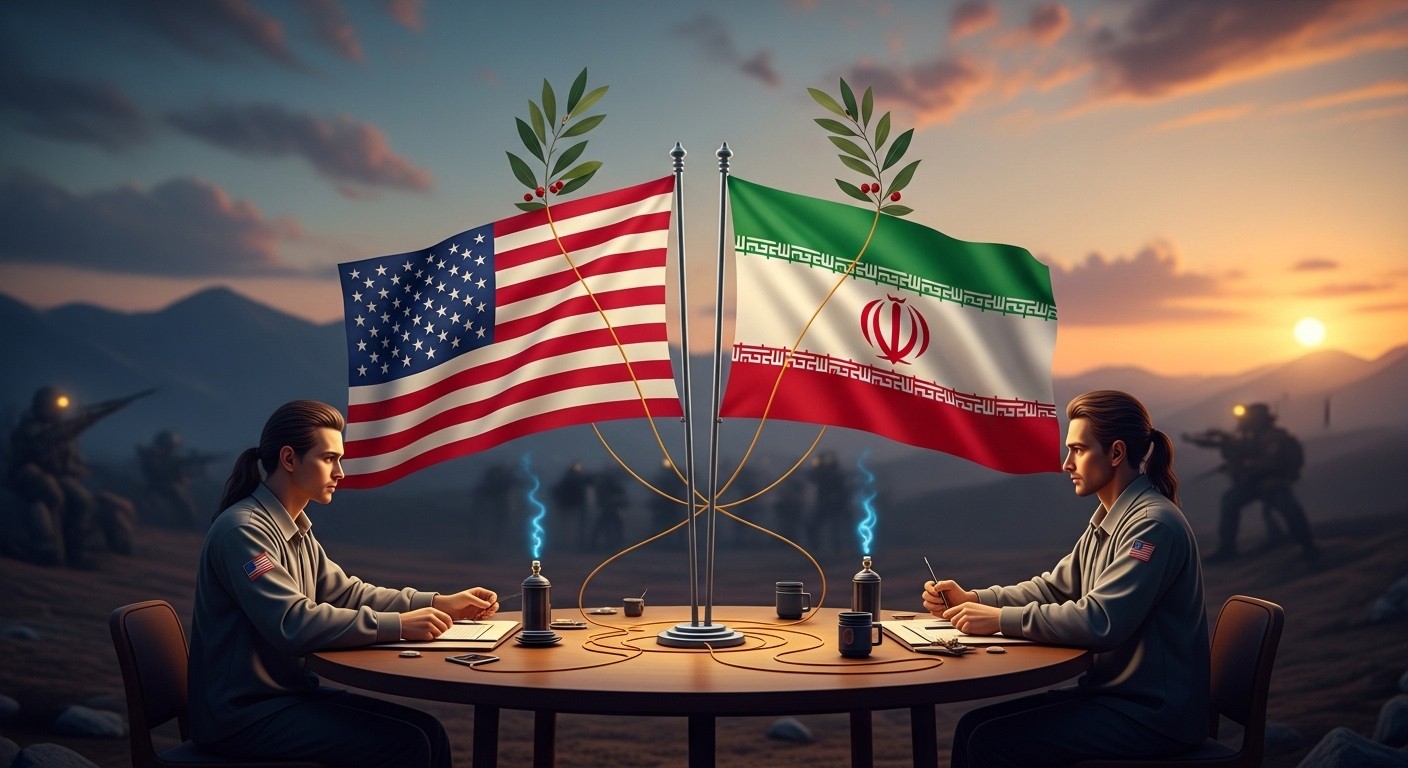
Details emerging from Iranian state media and CBS News indicate a preliminary Memorandum of Understanding (MOU) between Iran and the U.S. is imminent, aimed at de-escalating a three-month conflict. The proposed agreement would initially establish a 60-day ceasefire extension and reopen the crucial Strait of Hormuz, which has been under U.S. naval blockade and Iranian controls. This tentative pact, though met with conflicting interpretations from Tehran and Washington, marks a pivotal, if fragile, diplomatic breakthrough after prolonged hostilities. The core dispute centers on Iran nuclear program and the scope of sanctions relief. U.S. officials, including President Donald Trump, assert the MOU lays the groundwork for eventually dismantling Iran nuclear facilities over 15-20 years and linking sanctions waivers to verifiable compliance. Conversely, Iranian state media, citing Foreign Minister Abbas Araghchi, contend the MOU assumes no new nuclear obligations for Tehran and defers comprehensive nuclear talks, while demanding immediate suspension of oil sanctions and release of $24 billion in frozen assets. These stark differences underscore the deep mistrust and the complex web of regional security concerns, including Iran ballistic missile program and support for groups like Hezbollah, which remain outside the immediate scope of this initial agreement. With the digital signing of the MOU anticipated in the coming days, brokered largely by Pakistan, the focus will swiftly shift to the subsequent 60-day technical negotiations. These talks will be critical in determining whether the U.S. and Iran can bridge the profound gaps on nuclear verification, comprehensive sanctions removal, and regional stability, or if this preliminary agreement merely offers a temporary pause in a protracted, high-stakes standoff. Global energy markets and regional allies are watching closely, aware that the path from a memorandum of understanding to a durable peace remains fraught with peril.