Dacia's New Spring EV: European-Built, Stronger, and Still Budget-Friendly
Context mode is active. Hover over any highlighted term to see its definition. Click a nested term to go deeper.
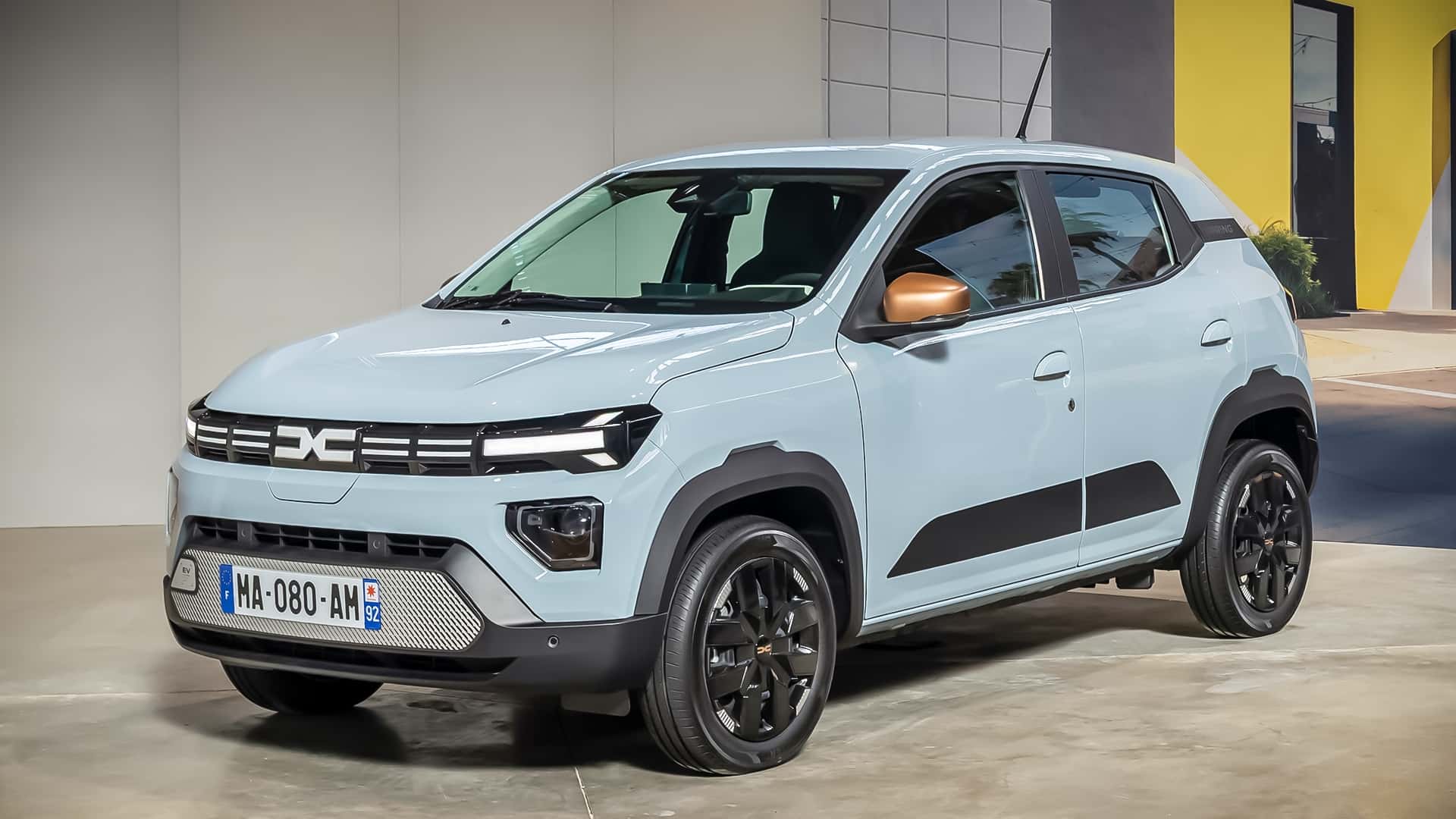
Dacia has officially pulled the covers off its second-generation Spring electric car, marking a significant shift as production moves from China to Europe, specifically to Novo Mesto, Slovenia. This new Spring, due for early 2027 deliveries, is built on Renault Group's advanced RG-EV Small (AmpR Small) platform, promising a much stronger, roomier, and technologically improved electric vehicle compared to its predecessor. It aims to maintain its position as an affordable EV, with a UK launch price expected to be under £18,000 before grants, potentially dropping to £14,995 with government subsidies. This strategic move to European manufacturing allows Dacia to sidestep EU tariffs on Chinese-built EVs and qualify for local EV subsidies, making it more competitive in the European market. The outgoing Spring, often criticized for its basic nature and a one-star Euro NCAP safety rating, struggled against newer rivals. By sharing its underpinnings with the Renault Twingo E-Tech and incorporating a larger 27.5 kWh LFP battery, the new Spring offers a respectable 155 miles of WLTP range and a more sophisticated driving experience, directly challenging emerging budget EVs like the Leapmotor T03, Hyundai Inster, and Citroën ë-C3. As the new Dacia Spring prepares for its market launch in late 2026, with first deliveries expected early next year, consumers should watch for final pricing and detailed specifications across different markets. This relaunch signals Dacia's ambition to redefine affordable electric mobility, offering a more robust and appealing package for urban commuters who prioritize value without compromising on essential features. Its success will be a key indicator of how European automakers can compete in the burgeoning budget EV segment against a tide of international competition.