Daylight Dose: New Study Reveals Daytime Light's Power for Deeper Sleep
Context mode is active. Hover over any highlighted term to see its definition. Click a nested term to go deeper.
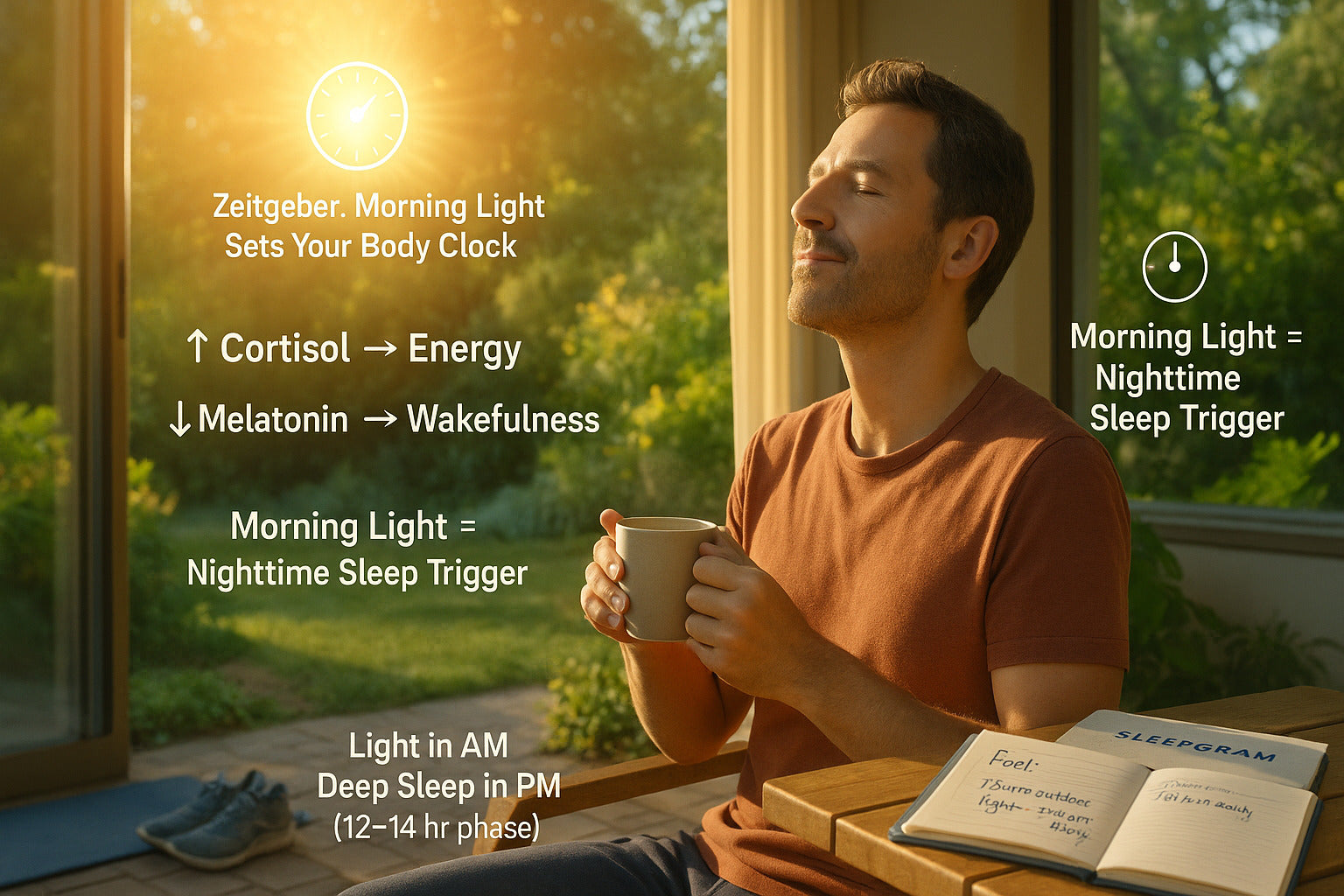
Forget complicated night-time routines; a growing body of research suggests your daytime habits, specifically how much natural light you get, could be the real game-changer for better sleep. A new study published in npj Biological Timing and Sleep, led by University of Manchester scientists, reveals that consistent exposure to brighter daytime light, particularly 'melanopic light' which strongly affects our body clock, is linked to earlier sleep timing, earlier waking, and an increase in restorative deep sleep phases. This naturalistic research, involving 89 adults wearing sensors and sleep trackers, provides real-world evidence for benchmarks previously set in laboratory studies regarding healthy light exposure. At the core of this discovery is how light influences your circadian rhythm, the body's natural 24-hour internal clock, and the hormone melatonin. Blue light, abundant in natural daylight, signals the brain to suppress melatonin production, keeping us alert during the day, while diminishing light in the evening allows melatonin levels to rise, preparing for sleep. Modern lifestyles, often spent indoors under dim artificial light during the day and bright screens at night, can weaken this crucial signal, disrupting the body's natural sleep-wake cycle. Sleep specialists are increasingly advocating for 'light hygiene' — a conscious management of light exposure throughout the day to maximize natural light and minimize artificial blue light before bed. The implications are clear: integrating more outdoor time or optimizing indoor light environments during the day could be a simple, yet profoundly effective strategy for improving sleep for millions globally. Experts suggest aiming for consistent daylight exposure, especially in the morning, for even 10-15 minutes, as this helps anchor your internal clock. Beyond general lifestyle advice, controlled light therapy devices are also seeing refinement for specific sleep disorders like Delayed Sleep Phase Syndrome (DSPS) and Seasonal Affective Disorder (SAD), showcasing the powerful therapeutic potential of targeted light exposure. This shift towards daylight-centric routines marks an important, accessible frontier in public health, offering a natural path to better, deeper rest.