Decoding Pathogen Growth: New Science Reveals How Food Shapes Superbug Threat
Context mode is active. Hover over any highlighted term to see its definition. Click a nested term to go deeper.
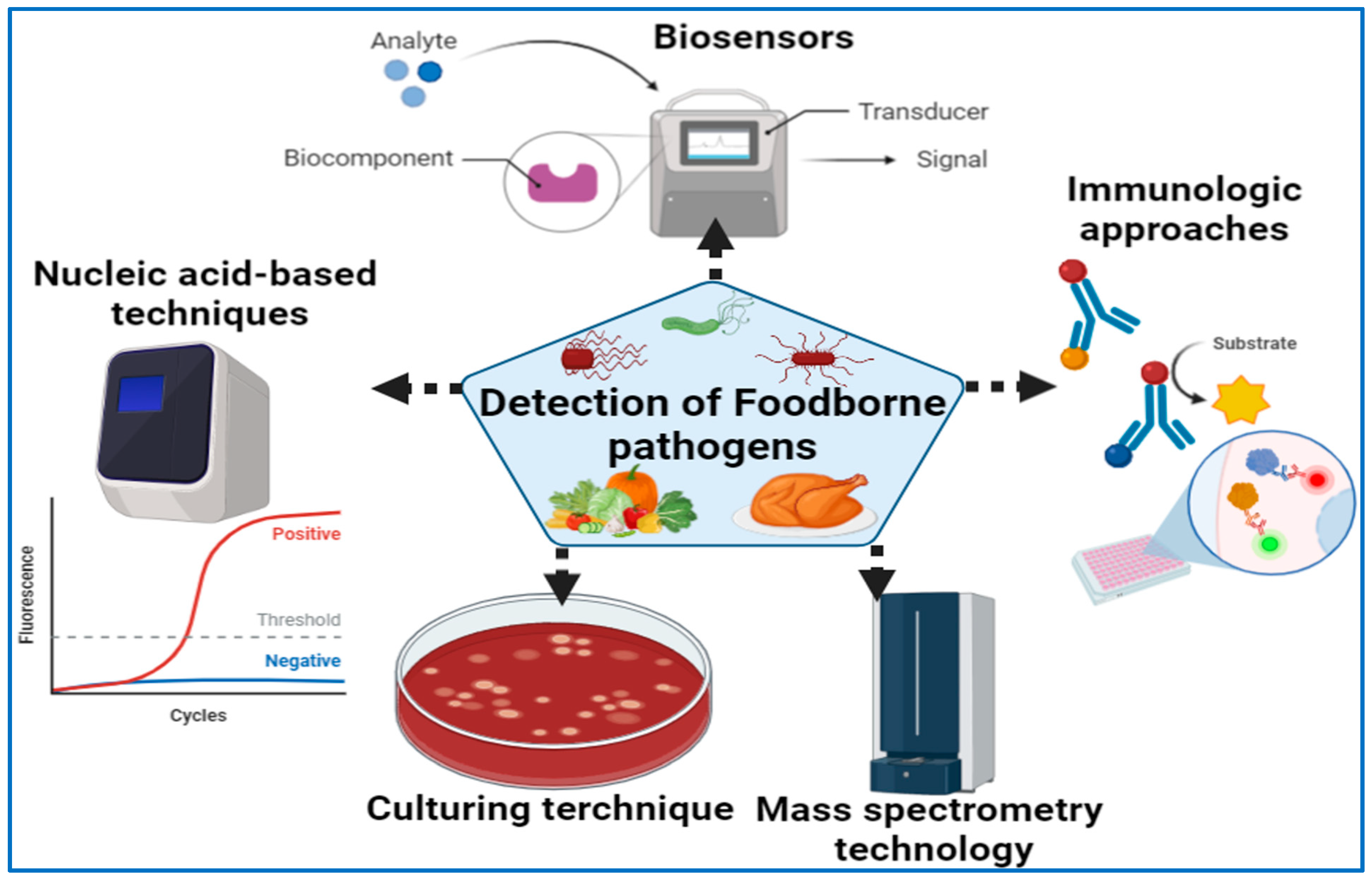
Groundbreaking research is shedding new light on how foodborne pathogens adapt and grow within the very foods we eat, revealing that their 'spatial growth' patterns significantly alter how they react to stress and how tough they become for our bodies to fight off. This deeper understanding is critical because it explains why some pathogens are so resilient and harder to eliminate, posing a continuous threat to public health and challenging traditional food safety measures globally. This isn't just academic chatter; it's a direct attack on a persistent global problem. Scientists are now connecting how pathogens thrive in specific food environments to their ability to develop antimicrobial resistance and cause more severe illnesses. This insight is pushing the development of advanced tools, from gene editing like CRISPR-Cas systems to sophisticated bioinformatics, aimed at pinpointing and neutralizing these threats more effectively. The focus is shifting beyond simply killing pathogens to understanding and disarming their virulence factors, making them less harmful without necessarily eradicating them, which could also help combat the rise of superbugs. The immediate future will see food safety moving towards 'precision food safety,' integrating these new scientific findings into practical applications. Expect to see more innovative strategies emerge, such as harnessing natural antimicrobials, bacteriophages, and biopreservation techniques to protect our food supply. The challenge remains scaling these high-tech solutions for widespread use and ensuring global access, especially as climate change and complex food supply chains continue to introduce new variables into the fight against foodborne diseases.