Deep State War's Toll: Unpacking the US-Iran Middle East Debacle
Context mode is active. Hover over any highlighted term to see its definition. Click a nested term to go deeper.
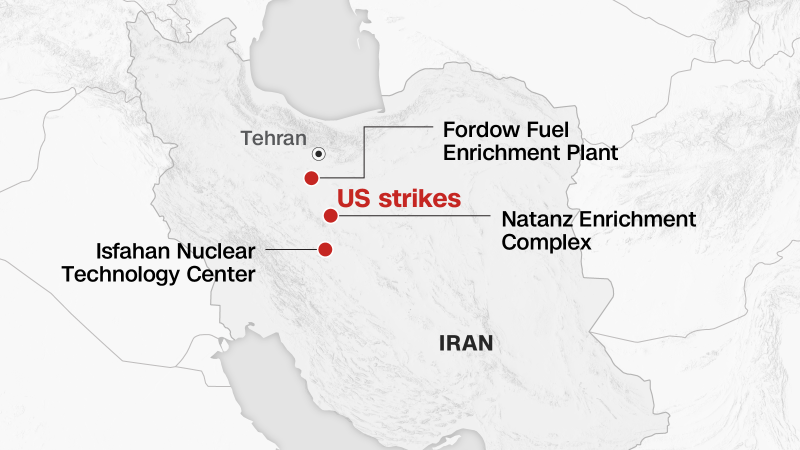
A new 'autopsy' report is making waves across Washington, laying bare how a president's intense distrust of the 'Deep State' directly fueled the ongoing, volatile Middle East debacle involving Iran. The report suggests that sidelining career diplomats and intelligence experts in favor of a more insular, ideologically driven approach created a vacuum of expertise, leading to a series of miscalculations that culminated in the recent US-Israel military actions against Iran and the subsequent unraveling of regional stability. This critical analysis comes as US Energy Secretary Chris Wright recently stated that a nuclear agreement with Tehran 'may not' happen anytime soon, highlighting the continuing crisis. The crisis intensified dramatically in February 2026 when the United States and Israel launched attacks on Iran, reportedly targeting leadership and infrastructure, a move followed by a fragile, Pakistan-mediated ceasefire and a Memorandum of Understanding in June 2026 that has struggled to hold. Critics argue that the 'Maximum Pressure Campaign' and repeated executive overreach, driven by the president's narrative against an entrenched bureaucracy, systematically dismantled established foreign policy mechanisms. This disregard for institutional knowledge, particularly regarding the complex nuances of Middle Eastern geopolitics and Iran nuclear program, created an environment where rash decisions outweighed cautious diplomacy, pushing the region to the brink. Looking ahead, the path to de-escalation remains unclear, with US officials hinting that further military action might be necessary to destroy Iran nuclear capabilities and 'strangle their economy.' The fate of the Strait of Hormuz, a crucial global oil chokepoint, also hangs in the balance as tensions persist despite ceasefire attempts. The coming months will test whether a course correction is possible or if the region is destined for prolonged instability, shaped by the enduring impact of a fractured presidential administration and its war on its own experts.