Delhi Breathes Easier: Capital Logs Best Air Quality Days in a Decade Amidst Pollution Battle
Context mode is active. Hover over any highlighted term to see its definition. Click a nested term to go deeper.
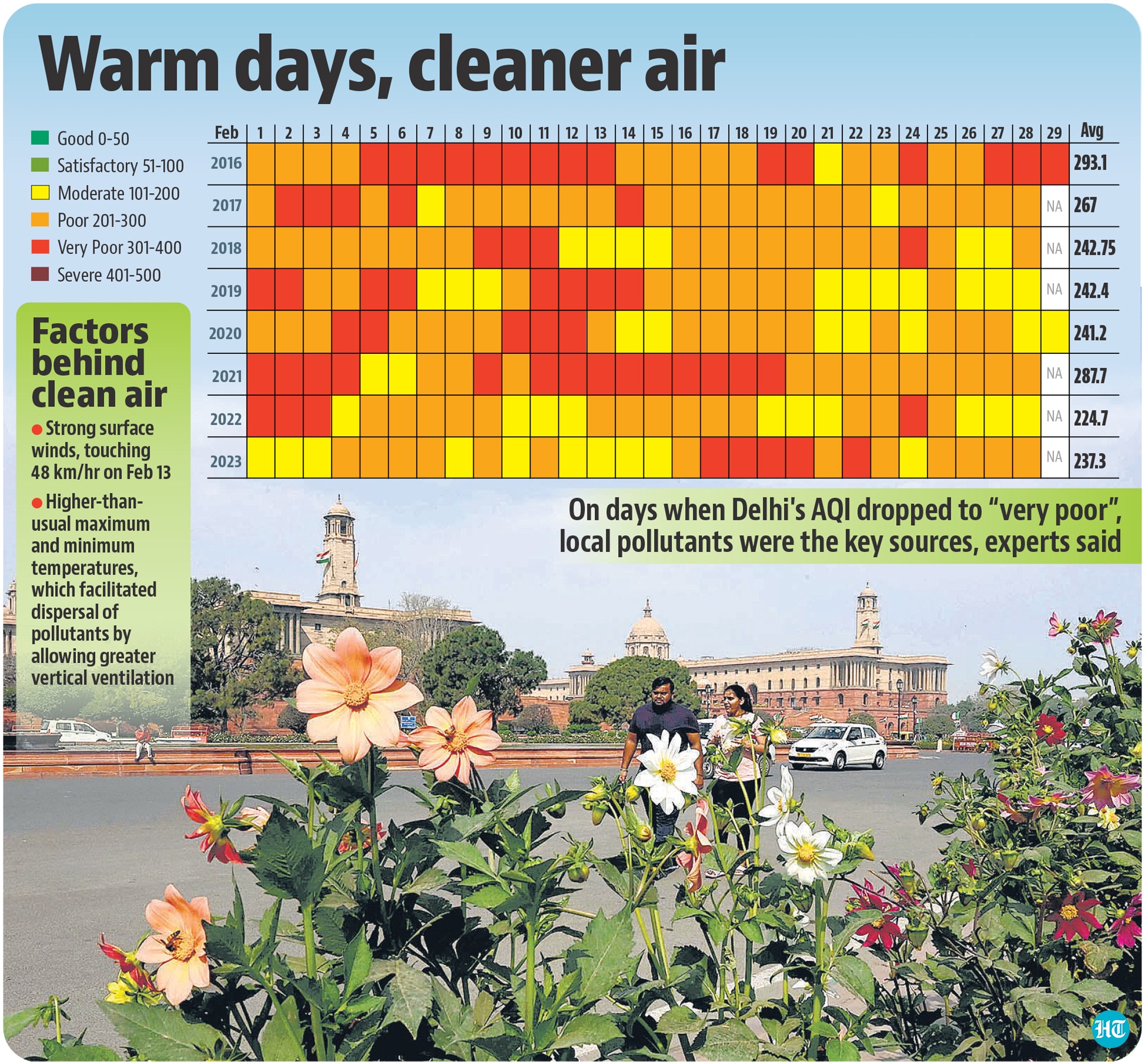
Delhi is literally breathing a little easier this year, marking 211 days of 'Good-to-Moderate' air quality so far in 2026 – its best performance since 2016, excluding the COVID-19 lockdown year. Environment Minister Manjinder Singh Sirsa announced this significant milestone on Saturday, crediting a focused, coordinated effort by the government and citizens to clean up the city's notoriously polluted air. This encouraging progress hasn't happened by chance. Under Chief Minister Rekha Gupta leadership, the Delhi government has rolled out a series of aggressive measures, including mechanical road sweeping, water sprinkling, anti-smog guns, and strict dust control at construction sites. The Commission for Air Quality Management (CAQM) has also stepped up, deploying 'flying squads' to monitor pollution sources and introducing a revised Graded Response Action Plan (GRAP) and a proactive 'Winter Action Plan'. However, the looming winter months, with their colder temperatures and slower winds, along with increasing stubble burning in neighboring states like Punjab, continue to pose a significant challenge. Looking ahead, the city is doubling down on technology and enforcement. CAQM recently directed highly polluting industries in the National Capital Region to install real-time monitoring cameras by November 30, 2026, while Delhi new AI-enabled Integrated Command and Control Centre became operational this month. Delhi is also working on a seven-year 'Swachh Hawa, Swasth Delhi' plan with World Bank support. Yet, the recent dip in AQI to 'Unhealthy' on October 17 is a stark reminder that sustained vigilance and public cooperation will be crucial to maintain and improve this positive trend as winter approaches.