Delhi Chokes: Air Quality Triggers Emergency Measures, Tougher Winter Ahead
Context mode is active. Hover over any highlighted term to see its definition. Click a nested term to go deeper.
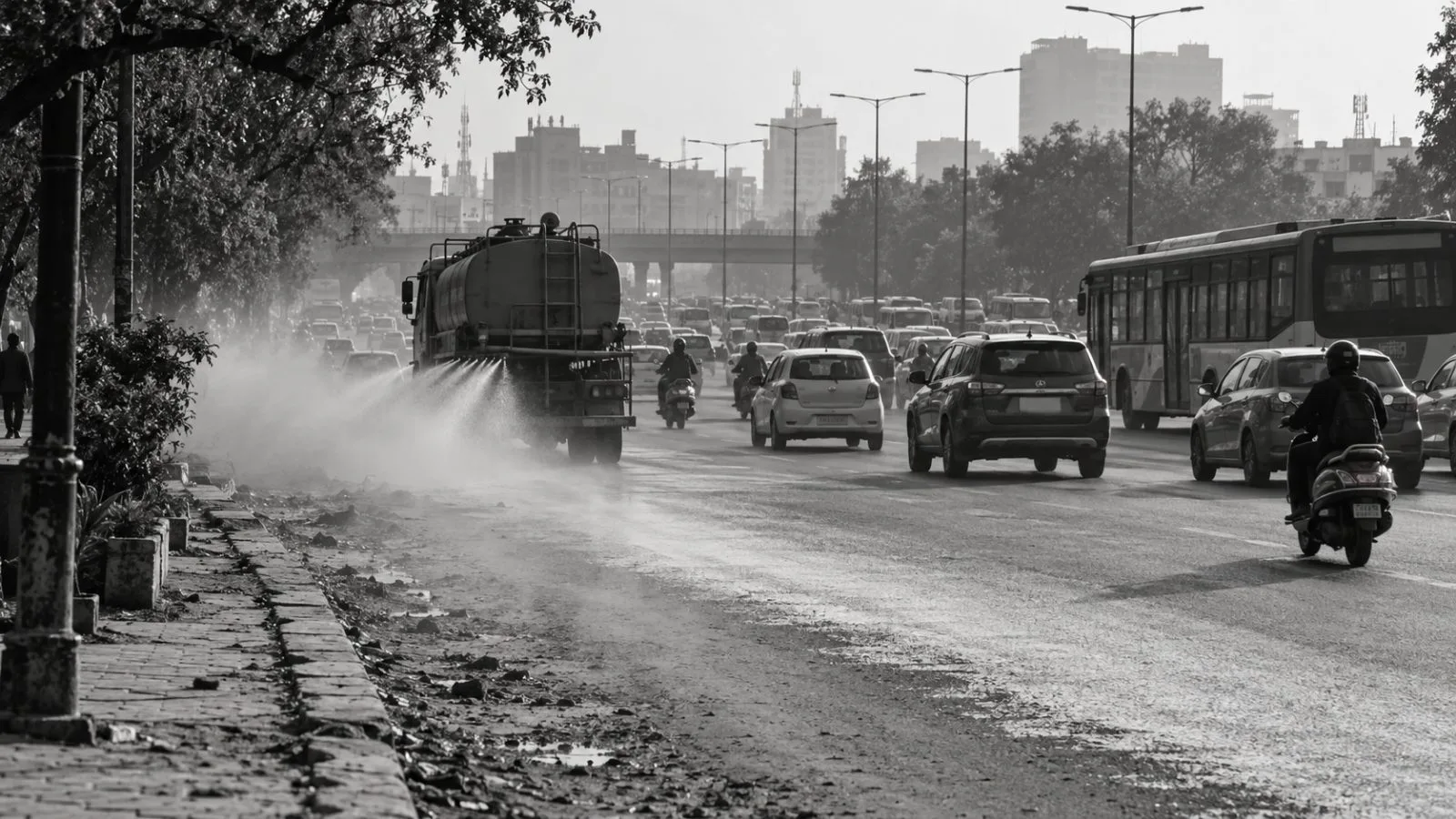
Delhi's air quality has taken a severe hit, prompting India's Commission for Air Quality Management (CAQM) to activate Stage I of the Graded Response Action Plan (GRAP) across the National Capital Region (NCR) on Wednesday. With the Air Quality Index (AQI) hitting 245, categorised as 'poor', residents are already facing a 25-point action plan, including a ban on diesel generators and strict dust control measures. This comes as the city braces for its annual, toxic winter pollution season, which often sees air quality worsen dramatically. This immediate action follows a sharp rise in pollution levels, intensified by factors like the recent Dussehra festivities and the looming Diwali festival, both known for contributing to smog. The CAQM move signals a proactive, albeit critical, response to prevent a further deterioration. Already, a 'No Pollution Under Control Certificate (PUCC), No Fuel' policy kicked in on October 1, and from November 1, Delhi is set to double parking charges and ban the entry of non-Bharat Stage VI (BS-VI) compliant vehicles from outside the city, along with implementing a 50% work-from-home mandate for offices to reduce vehicular pollution. As the region heads into peak winter, the effectiveness of these measures will be under intense scrutiny. Authorities are keeping a close watch, with forecasts predicting the AQI to remain in the 'poor' category for the coming days. The larger goal is to mitigate the health crisis that poor air quality poses to millions of citizens, but past efforts have often struggled against the sheer scale of the challenge from stubble burning, vehicular pollution, and industrial emissions. Everyone, from policymakers to everyday citizens, will need to play their part if Delhi is to breathe easier this winter.