Delhi High Court Seals Paytm Payments Bank's Fate, Orders Winding Up After RBI Crackdown
Context mode is active. Hover over any highlighted term to see its definition. Click a nested term to go deeper.
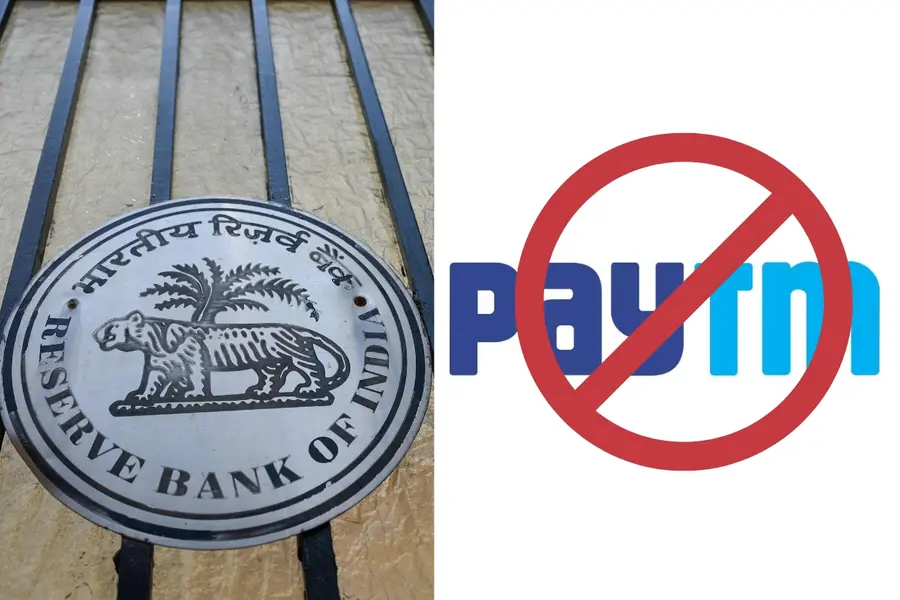
In a decisive move, the Delhi High Court has formally ordered the winding up of Paytm Payments Bank Limited (PPBL), marking the final chapter in a prolonged regulatory saga. This follows the Reserve Bank of India (RBI) earlier cancellation of PPBL banking licence in April 2026, citing 'persistent regulatory violations' and concerns that the bank's operations were detrimental to its depositors' interests. This wasn't a sudden end; PPBL had been under the RBI close scrutiny for years, starting with a ban on onboarding new customers in March 2022 due to 'material supervisory concerns' and later facing stricter curbs on deposits and wallet top-ups in early 2024. Regulators flagged serious issues including a lack of proper KYC compliance, instances of single Permanent Account Numbers (PANs) being linked to multiple accounts, transactions exceeding prescribed limits, and even concerns around potential money laundering activities. This persistent non-compliance ultimately led the RBI to approach the High Court for the bank's liquidation. Former State Bank of India Chief General Manager Girikumar M. Nair has been appointed as the Official Liquidator, taking charge of PPBL affairs from July 8, 2026, to oversee the liquidation process under Indian banking and corporate laws. While customer funds are reportedly safe with sufficient liquidity for repayment, it's crucial for users to understand that Paytm's core digital services—like the Paytm app, UPI, and QR code payments offered by its parent company, One97 Communications Limited—remain fully operational and unaffected. This final closure sends a strong message across India's rapidly evolving fintech landscape: regulatory compliance isn't optional, and consumer protection remains paramount.