Delhi High Court Strengthens Personality Rights Against AI Deepfakes in Landmark Ruling
Context mode is active. Hover over any highlighted term to see its definition. Click a nested term to go deeper.
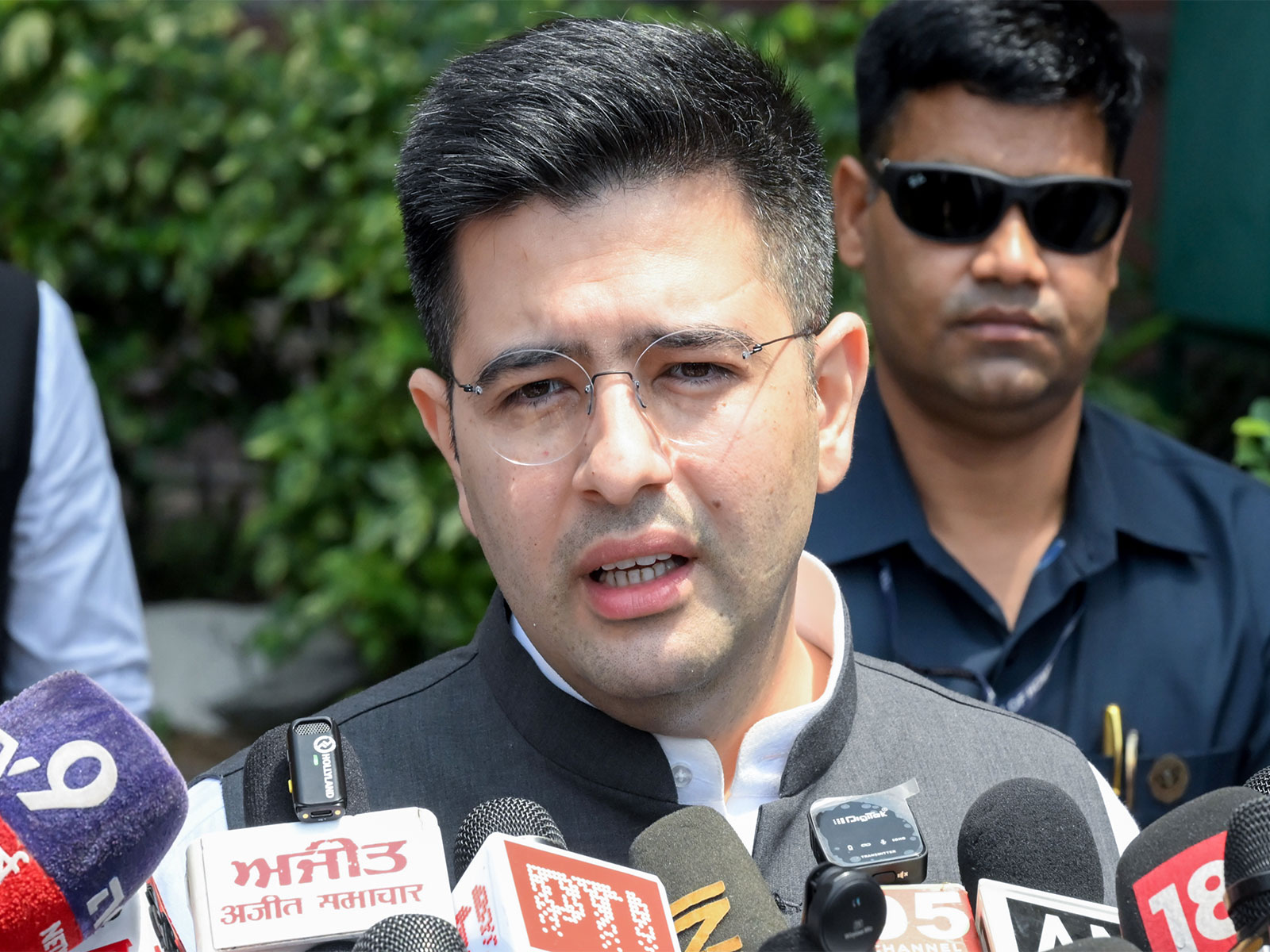
The Delhi High Court has delivered a significant verdict, granting interim relief to Rajya Sabha MP Raghav Chadha in his plea against AI-generated deepfakes. The court's decision, while balancing freedom of speech with individual rights, has reinforced the protection of personality rights in India's digital landscape, compelling social media platforms to address misuse of AI technology more robustly. This ruling comes after Chadha sought court intervention against manipulated online content that allegedly damaged his reputation. This case highlights the growing clash between rapidly advancing AI technologies and the fundamental rights of individuals, especially public figures who are frequent targets of misinformation. Chadha, a prominent leader from the Aam Aadmi Party (AAP), argued that deepfakes falsely portrayed him switching political sides for money, which he deemed defamatory. The court, led by Justice Subramonium Prasad, has been actively navigating similar cases involving other public figures, setting a critical precedent for how India tackles digital identity theft and manipulated content. Looking ahead, this verdict is expected to push for clearer guidelines for social media platforms and AI developers in India, aligning with the country's proactive stance on regulating AI-generated content through recent amendments like the 2026 IT Rules. It signals a stronger judicial approach to safeguard individual dignity and reputation from AI misuse, urging platforms to implement faster takedown mechanisms and better content authentication. The decision also prompts an ongoing discussion on the delicate balance between free speech and protecting individuals from digital harm.