Delhi Police Defend Metro Curbs, Internet Blackout in Supreme Court Showdown
Context mode is active. Hover over any highlighted term to see its definition. Click a nested term to go deeper.
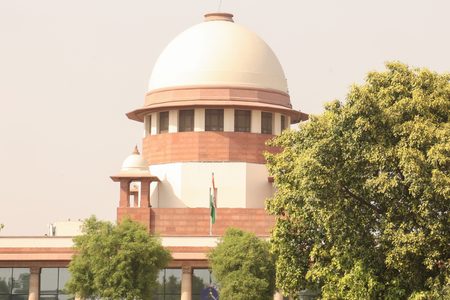
The Delhi Police and the Union Home Secretary have filed strong affidavits in the Supreme Court, defending their 'preventive measures' — including regulating Metro services and temporarily suspending cellular internet — taken during the October 10, 2026, protests against Chief Election Commissioner Gyanesh Kumar. They argue these actions were proportionate and essential to maintain public order, despite facing contempt proceedings for allegedly violating earlier court directives. This legal battle heats up as the authorities, while tendering an 'unconditional and unqualified apology,' simultaneously asserted that their decisions were driven by intelligence inputs and a history of unrest associated with the protesting Cockroach Janta Party (CJP). The Supreme Court had previously issued orders on October 9 and 11, urging no 'complete prohibition' on movement and unhindered internet access, which forms the core of the contempt allegations. The case also brings into sharp focus India's frequent use of internet shutdown, an issue often scrutinized under the landmark Anuradha Bhasin v. Union of India judgment, which mandated proportionality and transparency. As the Supreme Court, with Chief Justice Surya Kant and Justice Joymalya Bagchi presiding, prepares to hear the matter today, the Union Home Secretary has even requested a modification to the court's earlier order to allow internet suspensions in emergencies, albeit under strict legal safeguards. This ongoing legal challenge could set new precedents for how Indian authorities balance public order with citizens' fundamental rights to protest and access information, shaping future responses to civil unrest in the national capital.