Delhi Sees Anti-Reservation Fury: Youth Demand Quota Reforms, Face Detentions
Context mode is active. Hover over any highlighted term to see its definition. Click a nested term to go deeper.
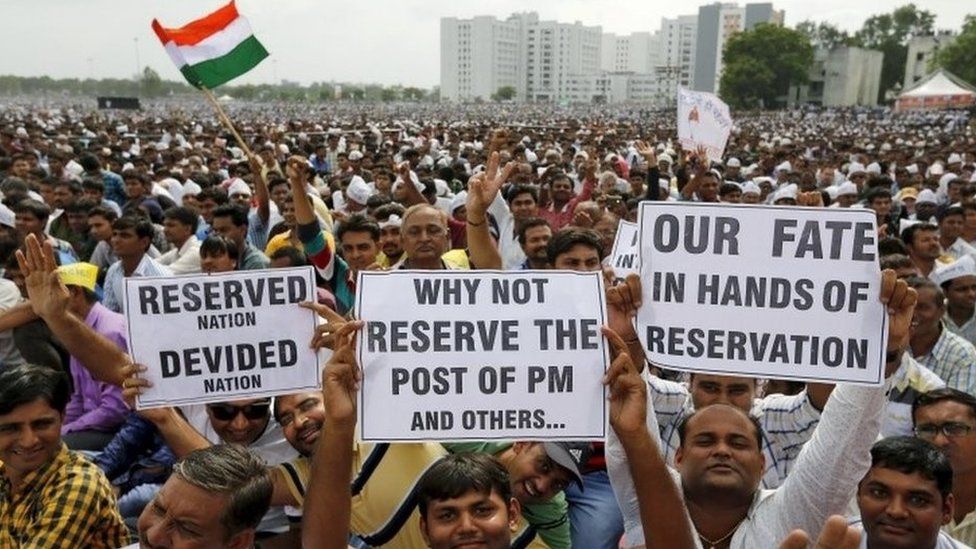
Delhi's bustling Connaught Place became a flashpoint on Sunday as hundreds of young people gathered for anti-reservation protests, leading to over 20 detention by the Delhi Police for demonstrating without permission. Organized by the influential 'Reservation Hatao Andolan' online movement, protestors demanded sweeping reforms to India's quota system, emphasizing that economic situation, not just caste, should determine who gets government support and educational opportunities. This weekend's action follows a similar demonstration at Jantar Mantar just two days prior, highlighting a growing youth frustration with the current affirmative action framework. These protests underscore India's decades-long debate over its reservation policy, a system designed to uplift historically disadvantaged groups like Scheduled Castes, Scheduled Tribes, and Other Backward Classes. While Union Ministers like Ramdas Athawale and Chirag Paswan have strongly defended reservation as a constitutional right essential for social justice, protestors argue the system needs an update to truly benefit those in need and prevent 'creamy layer' individuals from cornering opportunities. The Supreme Court's past rulings, including the 1992 Indra Sawhney judgment capping quotas at 50% and the more recent upholding of the 10% EWS quota in 2022, continuously shape this complex landscape, with the debate now intensifying over applying economic filters to all reserved categories. Looking ahead, the 'Reservation Hatao Andolan' claims the government has shown willingness for dialogue, with a central minister reportedly set to engage personally with the agitators. This suggests the recent street protests might transition into more formal discussions, but the core demands for a comprehensive review of reservation policies, including the UGC framework and the SC/ST (Prevention of Atrocities) Act, are unlikely to fade. As India grapples with balancing historical redressal with contemporary economic realities, how the government responds to these youth-led calls for reform will be a critical watch point.