Democracy's New Frontier: Governments Scramble to Master TikTok and Instagram Amid Misinformation Deluge
Context mode is active. Hover over any highlighted term to see its definition. Click a nested term to go deeper.
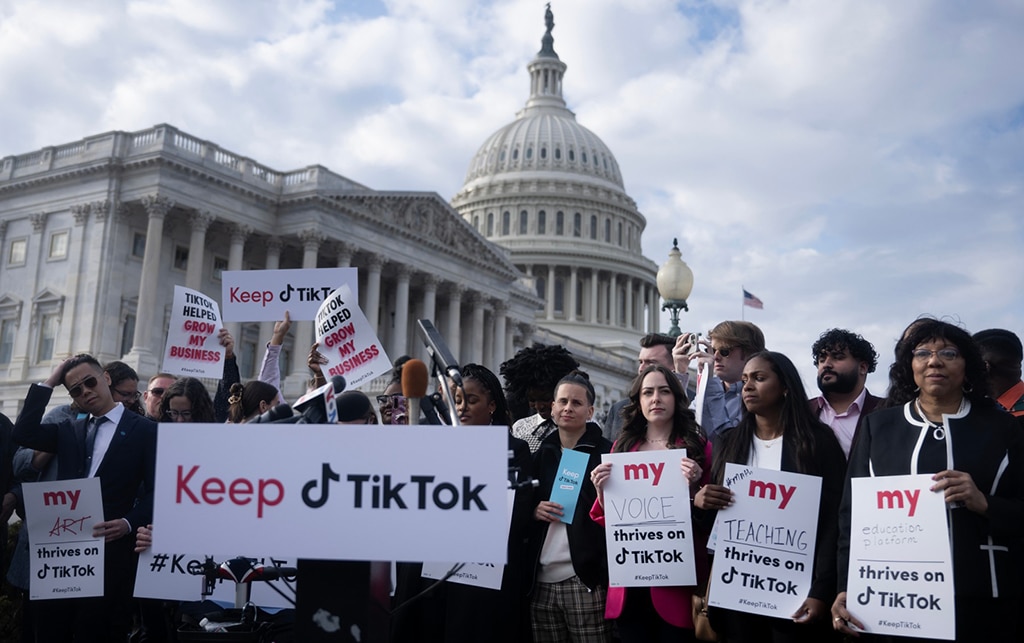
The way young people get their news and engage in public debate has dramatically shifted, with social media giants like Instagram and TikTok now serving as the de facto 'public square'. For Generation Z, these platforms are not just for entertainment but are primary sources of information, with 25% of this demographic relying on TikTok for their daily news updates. This seismic shift presents a critical challenge for governments and democratic institutions, who are struggling to communicate effectively and combat the rapid spread of misinformation in these digital arenas. Governments are facing a significant 'structural gap' as traditional communication channels fail to reach the youngest citizens. Data from February 2026 indicates that 44% of Gen Z adults access news exclusively through social platforms, vastly outpacing traditional news consumption. While some political campaigns and government agencies are beginning to adapt, leveraging short-form video and influencer collaborations to connect with younger voters, the unchecked spread of false information and propaganda through engagement-driven algorithms continues to fuel polarization and erode public trust. Concerns also persist regarding the ownership of platforms like TikTok by foreign entities, raising national security and data privacy questions. Moving forward, the focus is shifting from mere restrictions to strategic adaptation. Experts and international bodies are calling for enhanced 'Media and Information Literacy' initiatives to equip users with critical thinking skills against online deception. Policymakers are urged to demand greater transparency from platforms regarding their algorithms and content moderation practices, ensuring accountability and fostering civic resilience. The future of democratic discourse hinges on governments learning to navigate this dynamic digital landscape, not just as regulators, but as active participants in the new public square.