Democrats thought Fed Chair Kevin Warsh would be a Trump loyalist — his opening move proves he’s nothing of the sort - New York Post
Context mode is active. Hover over any highlighted term to see its definition. Click a nested term to go deeper.
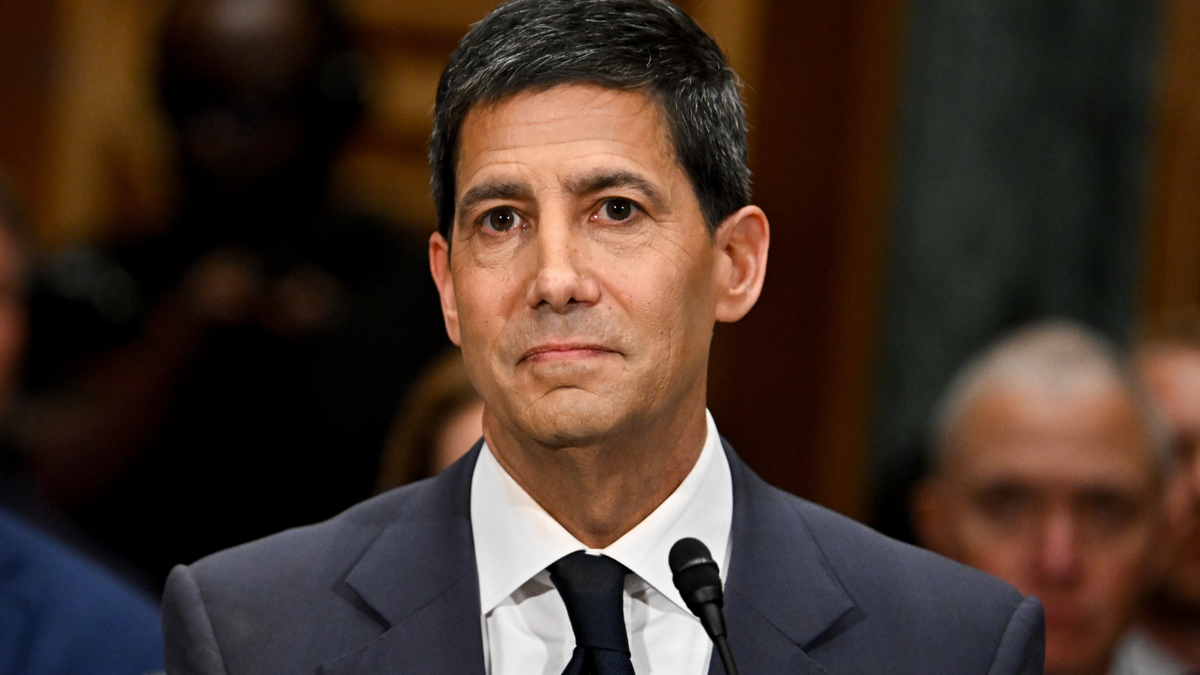
Federal Reserve Chair Kevin Warsh has, in his inaugural policy moves, dramatically reset expectations for the world's most powerful central bank, delivering a pointed message of independence that squarely defies the Trump administration's long-standing calls for lower interest rates. Just weeks after being sworn in, Warsh led the Federal Open Market Committee (FOMC) to a unanimous decision to hold interest rates steady at 3.50%-3.75% and, more strikingly, ushered in a new era of communication by omitting his own projection from the closely watched 'dot plot' and issuing a significantly pared-down policy statement. This bold debut, marked by a distinctly hawkish rhetoric on inflation and a commitment to 'price stability,' signals a clear departure from the perceived political pressures that dogged his predecessor, Jerome Powell. Democrats, who vehemently scrutinized Warsh during his Senate confirmation hearing over concerns he'd be a presidential 'loyalist,' now face a Fed Chair intent on reasserting the institution's dual mandate, prioritizing inflation-fighting even amidst elevated geopolitical uncertainty and persistent above-target inflation. His move to establish multiple task forces to review key aspects of monetary policy, from communications to the balance sheet, underscores a strategic, long-term re-evaluation rather than merely tactical adjustments. Looking ahead, markets will be keenly observing how Warsh's new communication regime impacts investor expectations, especially with a majority of FOMC members still projecting potential rate hikes later in 2026. This shift away from explicit forward guidance could introduce more volatility but is clearly intended to grant the Fed greater flexibility to respond to incoming economic data. The next few months will reveal whether this 'less is more' approach to transparency truly enhances the Fed credibility and its ability to achieve its inflation targets without succumbing to political influence.