Despite Breakthroughs, Many Still Miss Lifesaving Lung Cancer Screening
Context mode is active. Hover over any highlighted term to see its definition. Click a nested term to go deeper.
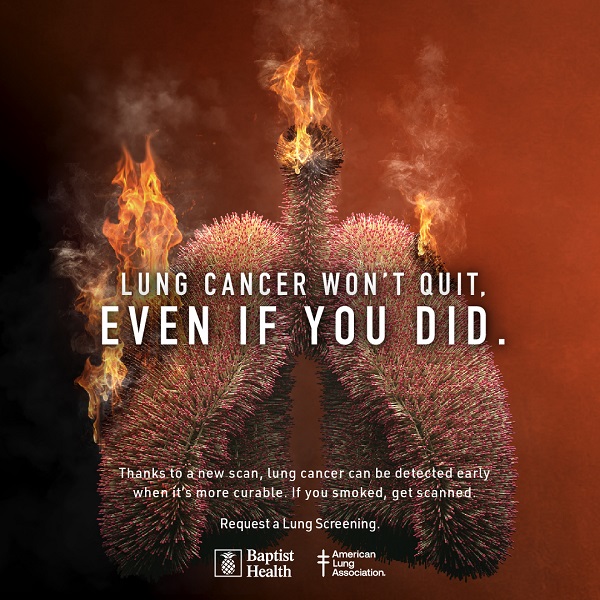
The global fight against lung cancer, the world's deadliest cancer, is facing a critical hurdle: a massive gap between proven, lifesaving screening tools and the millions who need them. Despite recent breakthroughs in artificial intelligence and less invasive tests, a staggering 80% of eligible individuals are still missing out on early detection, often due to outdated eligibility rules and a severe lack of public and even clinician awareness. This crisis was starkly highlighted by Pope Leo XIV's recent lung cancer diagnosis, which spurred renewed calls for urgent policy changes to broaden screening access. At the heart of the problem are stringent criteria set by bodies like the United States Preventive Services Task Force (USPSTF), which primarily limit annual Low-Dose Computed Tomography (LDCT) scans to those aged 50-80 with a significant 'pack-year' smoking history who have quit within 15 years. This narrow window excludes many at risk, including former smokers who quit longer ago or those without a heavy 'pack-year' history, as confirmed by studies presented at the 2026 ASCO Annual Meeting. Efforts are underway to simplify these rules, with a new 'tobacco smoking duration' metric showing promise in expanding eligibility and catching more cancers. Simultaneously, 2026 has seen a surge in innovations like AI-powered imaging and blood-based liquid biopsies, promising more accurate and less invasive detection. Looking ahead, advocacy groups like the Lung Cancer Foundation of America are pushing for a radical rethink of screening guidelines, arguing that a patient's 'tobacco history' should no longer be the sole 'front door' to life-saving scans. With only one in three people aware that screening is even available, the immediate future hinges on widespread public awareness campaigns, greater clinician engagement, and policy reforms that embrace a broader definition of 'at-risk' individuals. The goal is not just to detect cancer earlier but to dismantle the systemic barriers preventing millions from accessing care that could transform their survival chances.