DGCA Blasts IndiGo Over Dangerous Goods Lapses, Demands Swift Safety Overhaul
Context mode is active. Hover over any highlighted term to see its definition. Click a nested term to go deeper.
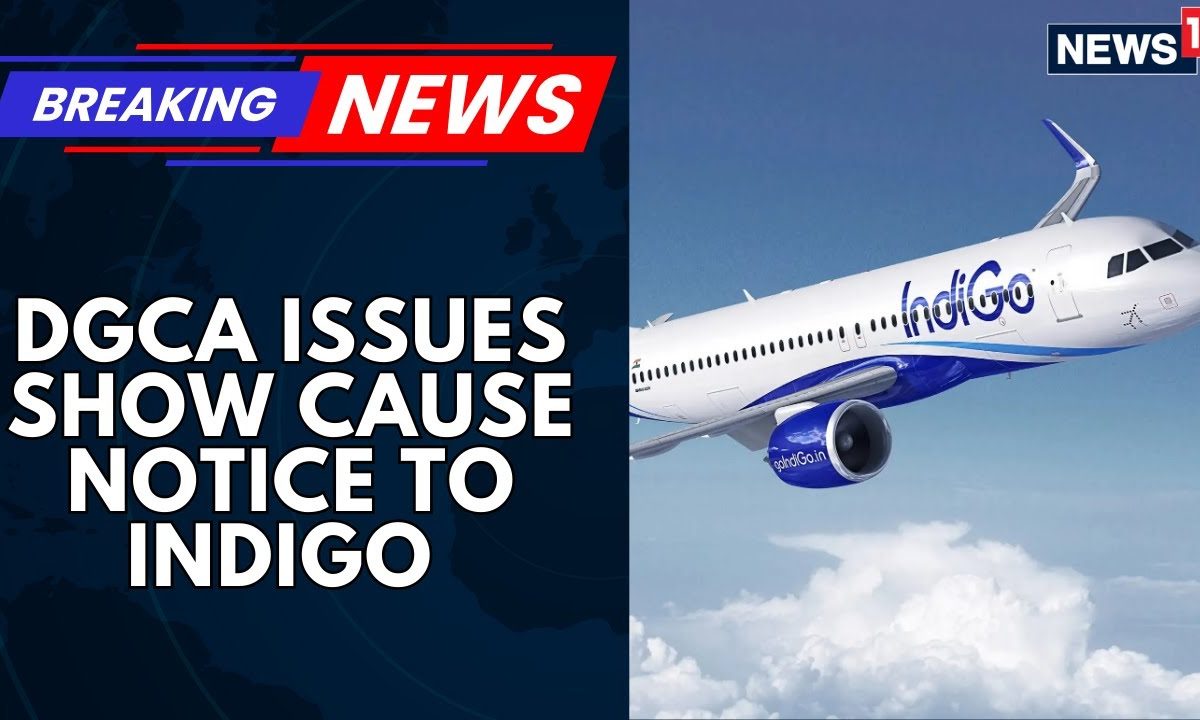
India's aviation watchdog, the Directorate General of Civil Aviation (DGCA), has issued a stern warning letter to IndiGo, one of the nation's largest airlines, for serious lapses in handling 'Dangerous Goods'. The move follows a 'Special Audit' initiated after a 'Cargo Spillage' incident in January 2026, which exposed multiple instances of 'Regulatory Non-compliance' at IndiGo Delhi 'Engineering Stores Facility' with the newly enacted 'Aircraft (Carriage of Dangerous Goods) Rules, 2026'. The airline has been given 30 days to submit a comprehensive 'Action Taken Report' detailing corrective measures. This isn't just a slap on the wrist; it underscores the 'DGCA''s sharpened focus on airline safety and operational discipline. The audit specifically highlighted deviations in handling 'Company Material (COMAT)' classified as 'Dangerous Goods' and demanded a revamp of 'IndiGo''s training programs to include more practical exercises and strengthen its 'Continuous Competency Assessment' system. While 'InterGlobe Aviation', IndiGo parent company, has stated that the warning has no significant financial impact or operational restrictions, this recent development adds to a pattern of increased regulatory scrutiny for the airline, which was also flagged for repetitive aircraft defects earlier this year and faced issues with flight cancellations in late 2025. The clock is ticking for 'IndiGo' to demonstrate robust compliance. The coming weeks will see the airline scrambling to implement the 'DGCA''s directives and submit its 'Action Taken Report'. Failure to adequately address these concerns could lead to more severe penalties or operational restrictions down the line, potentially impacting public confidence and investor sentiment in India's dominant domestic carrier. All eyes will be on how effectively 'IndiGo' overhauls its safety protocols and training to prevent future 'Dangerous Goods' incidents.