Disrupted Metabolism Linked to Heart Failure, UTSW Study Finds
Context mode is active. Hover over any highlighted term to see its definition. Click a nested term to go deeper.
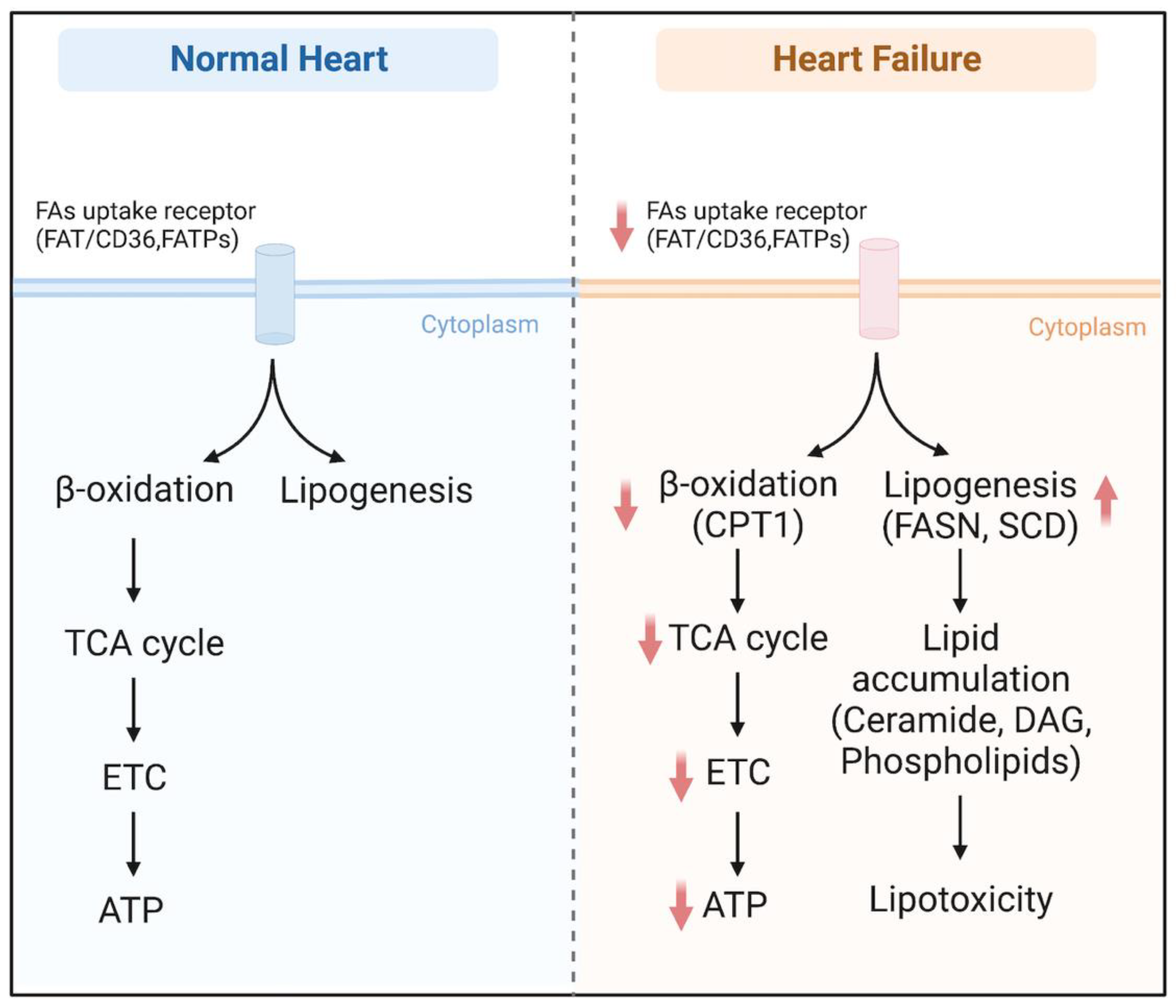
A groundbreaking study from UT Southwestern Medical Center, published June 9, 2026, overturns a long-held assumption about cardiac health, revealing that unchecked fat burning in heart cells leads directly to heart failure by depleting a critical lipid: cardiolipin. This preclinical research identifies a precise mechanism where disrupted metabolic controls trigger excessive fatty acid oxidation, thereby destroying mitochondrial function and ushering in cardiac dysfunction. The findings, led by Dr. Jay Horton, challenge the conventional wisdom that maximizing fatty acid oxidation is inherently beneficial for the heart, instead highlighting the paradoxical damage caused by an unregulated metabolic pathway. The research specifically implicates the depletion of linoleic acid, essential for cardiolipin maintenance, when the enzymes acetyl-CoA carboxylase 1 and 2 are removed, leading to structural changes consistent with dilated cardiomyopathy. This metabolic misfire is a significant pivot in understanding heart failure, a condition affecting millions globally, particularly as existing treatments often struggle to address its complex metabolic underpinnings, especially in types like heart failure with preserved ejection fraction (HFpEF) which is on the rise. Looking ahead, this study opens new avenues for early intervention, suggesting that therapies targeting cardiolipin, related mitochondrial lipids, or even inhibiting enzymes like CPT1 before significant cardiac dysfunction takes hold, could prove effective. The emphasis now shifts toward achieving 'metabolic flexibility'—maintaining fatty acid oxidation within a healthy range—rather than simply boosting it. Further research will focus on translating these preclinical results to human patients and exploring the role of these mechanisms in heart diseases linked to conditions such as obesity, Type 2 diabetes, and metabolic syndrome.