DKMUL's Revenue Soars Past ₹1,270 Crore Amid Strategic Farmer Support and Product Innovation
Context mode is active. Hover over any highlighted term to see its definition. Click a nested term to go deeper.
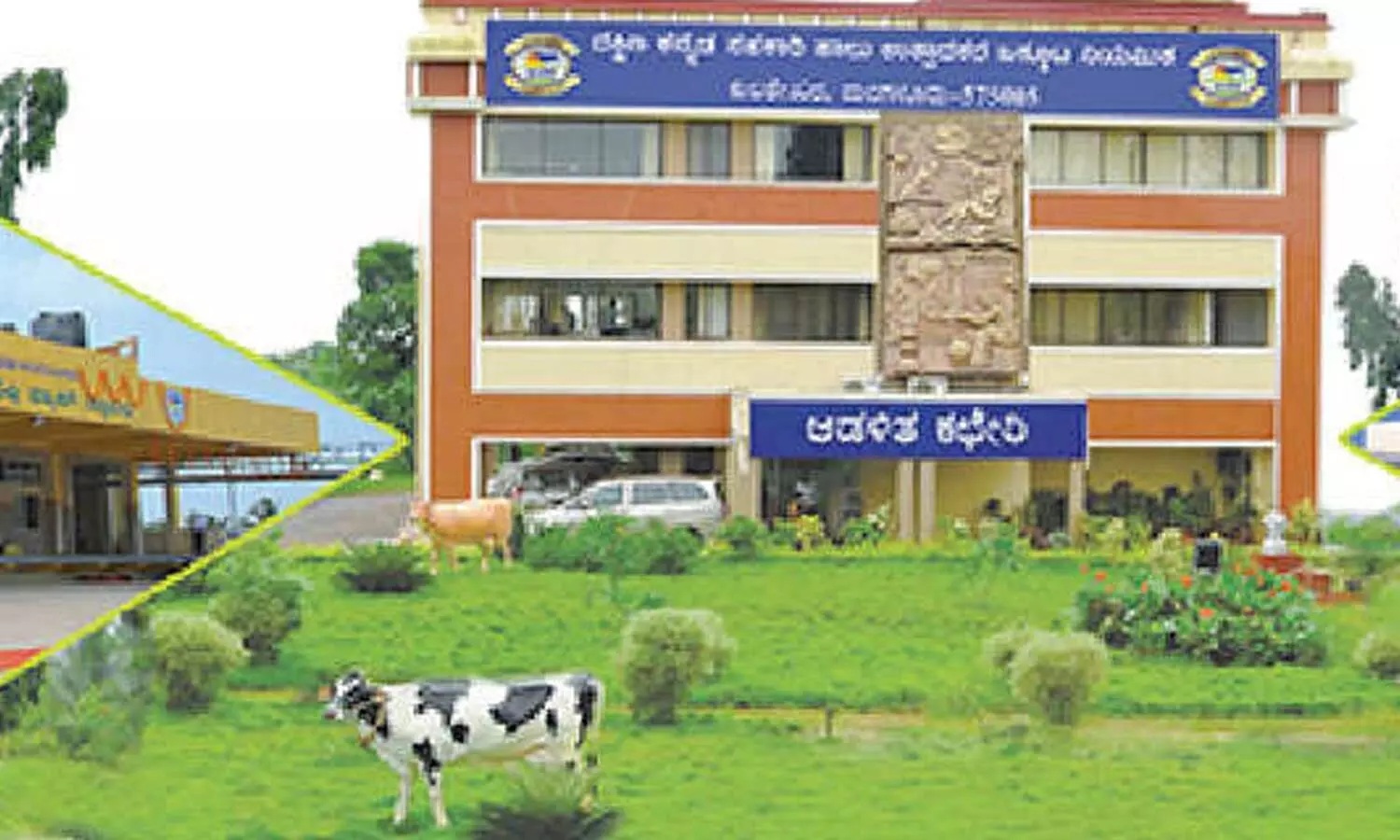
The Dakshina Kannada Cooperative Milk Producers' Union (DKMUL) has hit a new financial high, reporting a turnover of ₹1,270 crore for the fiscal year 2025-26, an 8.18% jump from the previous year's ₹1,174 crore. While this marks a significant revenue increase, net profit dipped to ₹10.61 crore from an all-time high of ₹12.79 crore (recorded in FY 2023-24), a strategic move reflecting DKMUL deep commitment to its dairy farmers through enhanced subsidies and incentives, totaling over ₹2.6 crore for direct support and welfare programs. The union is also pushing forward with new Nandini protein beverages, including 'Nandini Protein Punch' and specialized whey-based functional drinks, to diversify its market offerings. This robust performance comes as India's dairy sector continues its 'White Revolution 2.0,' driven by strong domestic demand, rising disposable incomes, and a growing consumer shift towards branded and value-added products. DKMUL, a key player under the Karnataka Milk Federation (KMF) umbrella, has seen its average daily milk collection surge by 19% to 4.07 lakh litres in 2025-26, further solidifying Karnataka's position as a dairy powerhouse. However, the industry still grapples with challenges like high feed costs, fodder shortages, and managing diseases such as Lumpy Skin Disease, making DKMUL ongoing farmer welfare initiatives, including subsidized silage and livestock insurance, critical for sustained growth. Looking ahead, DKMUL isn't resting on its laurels. The cooperative is poised for major infrastructure expansion, with plans for a new mega dairy in Mangaluru, along with dedicated plants for ice cream, paneer, and bottled water to meet burgeoning demand. These investments, alongside continued product innovation and farmer-centric policies, are set to reinforce DKMUL commercial competitiveness and its vital role in the region's agricultural economy, ensuring a steady supply of quality dairy products for consumers while securing livelihoods for thousands of farmers.