Donald Trump says Fed rate increase would be wrong, again calls for cut
Context mode is active. Hover over any highlighted term to see its definition. Click a nested term to go deeper.
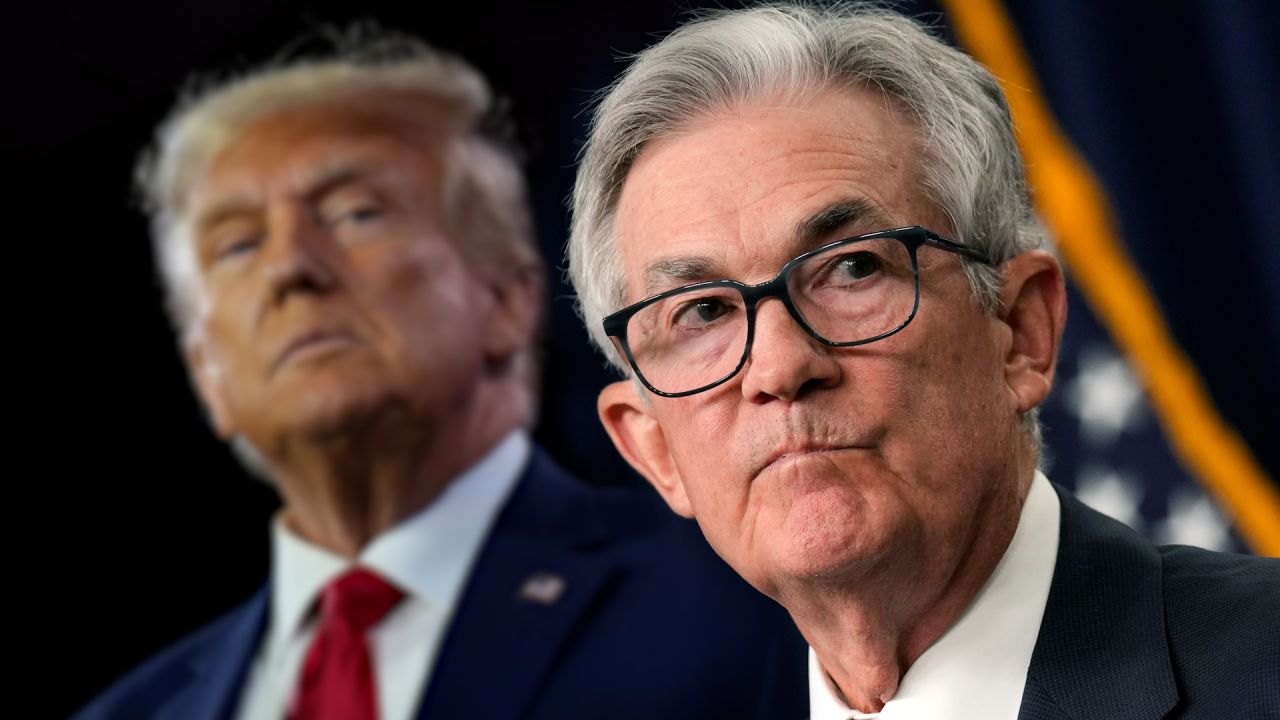
Former President Donald Trump has reignited his aggressive public campaign against Federal Reserve policy, lambasting any potential interest rate increase as 'wrong' just days after a surprisingly robust US jobs report for May fueled market speculation of higher borrowing costs. His latest intervention, delivered in a Sunday interview, directly challenges the central bank's independence under its newly installed Chair, Kevin Warsh, whom Trump himself nominated. The May jobs report, which saw the US economy add 172,000 new jobs and held the unemployment rate steady at 4.3%, significantly exceeded expectations, leading many economists to declare immediate rate cut off the table. This clash underscores the delicate balance the Federal Reserve must strike between political pressure and its dual mandate of maximizing employment and maintaining price stability, especially with inflation remaining stubbornly above its 2% target, driven partly by elevated energy prices and geopolitical conflicts. Warsh, who took the helm on May 22, faces his first Federal Open Market Committee meeting on June 16-17, inheriting a landscape where strong labor data collides with persistent inflationary pressures, compelling markets to increasingly price in a potential rate hike rather than the cuts Trump advocates. Despite Trump's praise for Warsh, the new Chair has publicly affirmed his commitment to Fed independence, setting the stage for a critical test of monetary policy autonomy. Investors and policymakers will keenly watch the upcoming FOMC statement for signals on the Fed's immediate policy direction and Warsh's approach to communication, as his past remarks suggest a potential shift towards 'strategic ambiguity' over explicit forward guidance. The trajectory of the federal funds rate, currently at 3.62%, remains contentious, with market futures now anticipating a modest rise by year-end, directly countering the former President's demand for aggressive cuts. This pivotal juncture will determine if the Fed can maintain its course amidst political headwinds and evolving economic realities.