DR Congo's Bundibugyo Ebola Crisis Deepens as Vaccine Trials Offer Hope
Context mode is active. Hover over any highlighted term to see its definition. Click a nested term to go deeper.
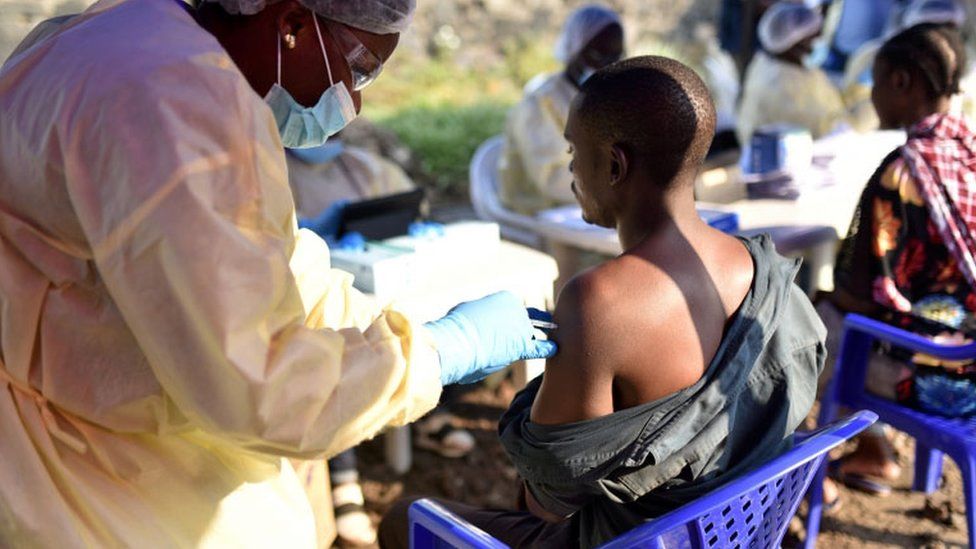
The Democratic Republic of Congo is in the grips of its 17th and fastest-growing Ebola outbreak, with confirmed cases reaching 3,200 and a grim death toll of 1,405 as of late July 2026. This crisis, declared a Public Health Emergency of International Concern by the World Health Organization, is particularly alarming because it's driven by the Bundibugyo virus, a strain for which there are currently no approved vaccines or specific treatments, forcing responders to rely on supportive care and strict public health measures. Compounding the tragedy, children and adolescents are disproportionately affected, facing nearly double the fatality rate of adults amidst ongoing conflict and distrust in affected regions like Ituri Province, the outbreak's epicenter. Despite these immense challenges, a glimmer of hope has emerged as the first-ever Phase 1 clinical trial for the ChAdOx1 BDBV vaccine, specifically targeting the Bundibugyo strain, has just begun, marking a critical step in the global health community's fight against this relentless pathogen. As the virus continues its rapid spread into new areas within the DRC and has seen imported cases in Europe, international organizations like Doctors Without Borders, UNICEF, and IOM are intensifying their efforts in surveillance, contact tracing, and community engagement, while Uganda, a neighboring country, is cautiously nearing the end of its own outbreak. The success of these vaccine trials and sustained, coordinated global support will be crucial in controlling this devastating outbreak, especially given the humanitarian and security complexities on the ground.