DR Congo's Ebola Crisis Deepens Amidst 'Walking Ebola' Threat and Relentless Violence
Context mode is active. Hover over any highlighted term to see its definition. Click a nested term to go deeper.
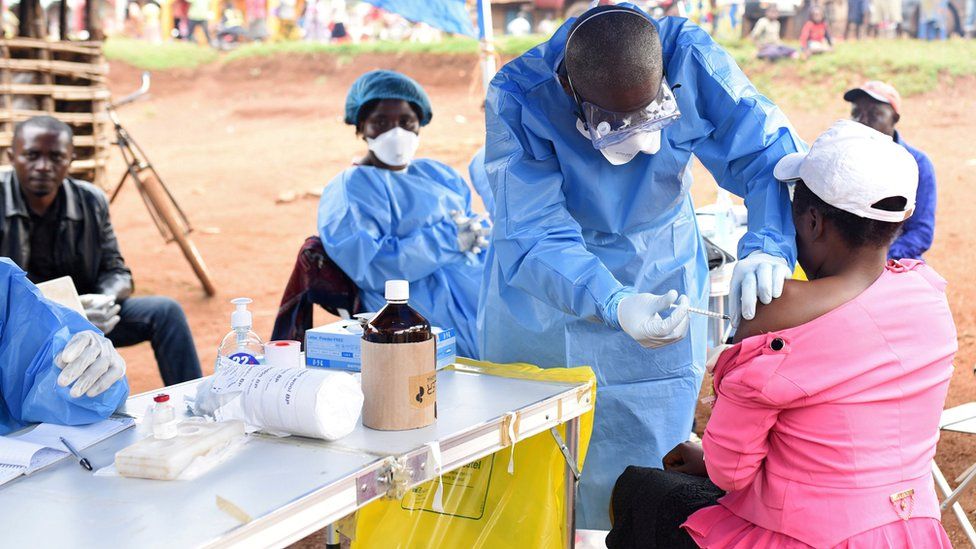
The Ebola crisis in the Democratic Republic of Congo has escalated dramatically, with the death toll now surpassing 930 and confirmed cases exceeding 2,300, making it the fastest-spreading outbreak on record. What's making this particular surge so challenging is the lesser-known Bundibugyo ebolavirus strain, which experts are dubbing 'Walking Ebola' due to its insidious progression, allowing infected individuals to spread the virus while still mobile and seemingly less ill. This makes containment incredibly difficult in a region already grappling with severe instability. Adding to the grave health emergency, armed clashes are directly sabotaging response efforts. Just last week, gunfire near an Ebola Treatment Center (ETC) in Nyankunde forced key humanitarian workers from the WHO, Africa CDC, and Samaritan's Purse to evacuate, further crippling vital aid operations. Such attacks on health facilities and personnel are becoming depressingly common, fueling deep community mistrust and hindering critical tasks like contact tracing and safe burials. This volatile environment is also forcing health workers to strike over unpaid salaries, severely impacting an already overstretched system. The crisis is particularly devastating for vulnerable communities, including persecuted Christians and Internally Displaced Persons (IDPs) crammed into precarious camps, who find themselves caught between disease, violence, and isolation. While trials for experimental antivirals like Obeldesivir and Remdesivir are underway, offering a sliver of hope for the Bundibugyo strain, the immediate future hinges on securing humanitarian access and rebuilding trust to halt this unprecedented spread.