Drone Strike in Tigray Kills Three, Igniting Fears of Renewed Ethiopian Conflict
Context mode is active. Hover over any highlighted term to see its definition. Click a nested term to go deeper.
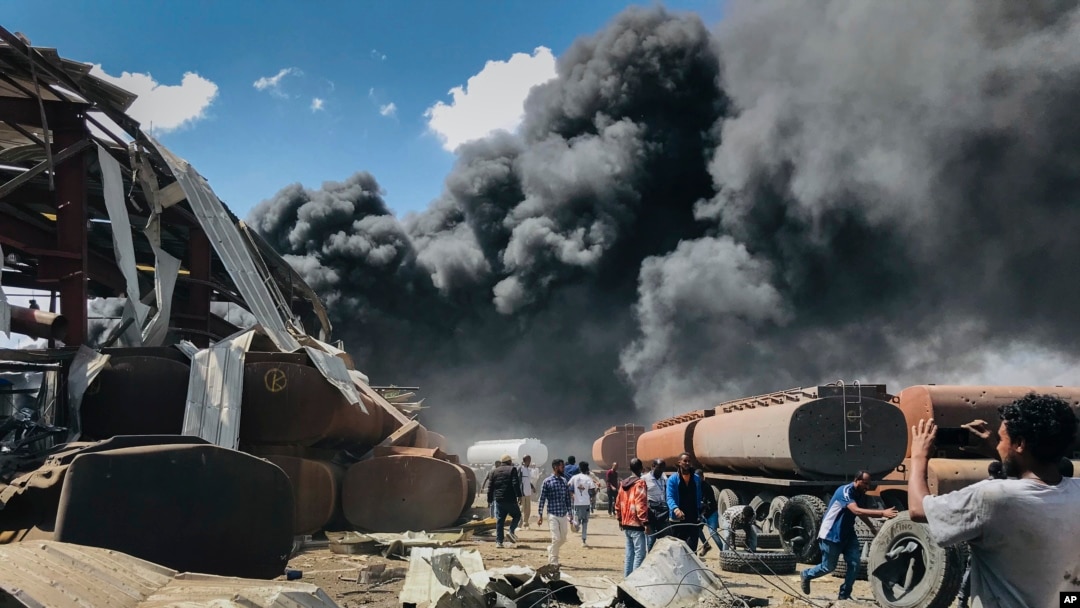
A drone strike in Ethiopia's northern Tigray region has reportedly killed three people and wounded several others on Monday, August 10, intensifying fears that the fragile peace in the region is on the brink of collapse. Tigrayan authorities, represented by the Tigray People's Liberation Front (TPLF), accuse the Ethiopian federal government of carrying out the attack in Merewa, a town in southern Tigray near the border with the Amhara region. While the federal government has not yet commented, the TPLF claims a school, which was on holiday break, was also hit in the strike. This latest incident comes amidst escalating tensions, with both the Ethiopian federal government and Tigrayan forces accusing each other of preparing to reignite a conflict that devastated the region between 2020 and 2022, killing an estimated 600,000 people. The November 2022 Pretoria Peace Agreement, mediated by the African Union, was supposed to end the brutal war, but key issues like the return of displaced people, disarmament of TPLF forces, and territorial disputes remain unresolved. Recent weeks have seen alarming developments, including fresh clashes in Western Tigray near the Sudanese border on August 1 and months of troop build-ups along the borders, leading to a palpable sense of dread among civilians who have already endured immense suffering. The silence from the Ethiopian federal government on this alleged drone strike only amplifies concerns, leaving the international community to ponder the stability of the entire Horn of Africa. Observers are keenly watching for any official statements or further military actions that could confirm a full-blown return to hostilities. The unresolved issues from the peace deal, coupled with the latest violence, make any de-escalation efforts incredibly challenging and highlight the urgent need for renewed diplomatic engagement to prevent another humanitarian crisis in a region already scarred by conflict.