Drones, geography and missile crisis shadow: How real is Cuba threat to US?
Context mode is active. Hover over any highlighted term to see its definition. Click a nested term to go deeper.
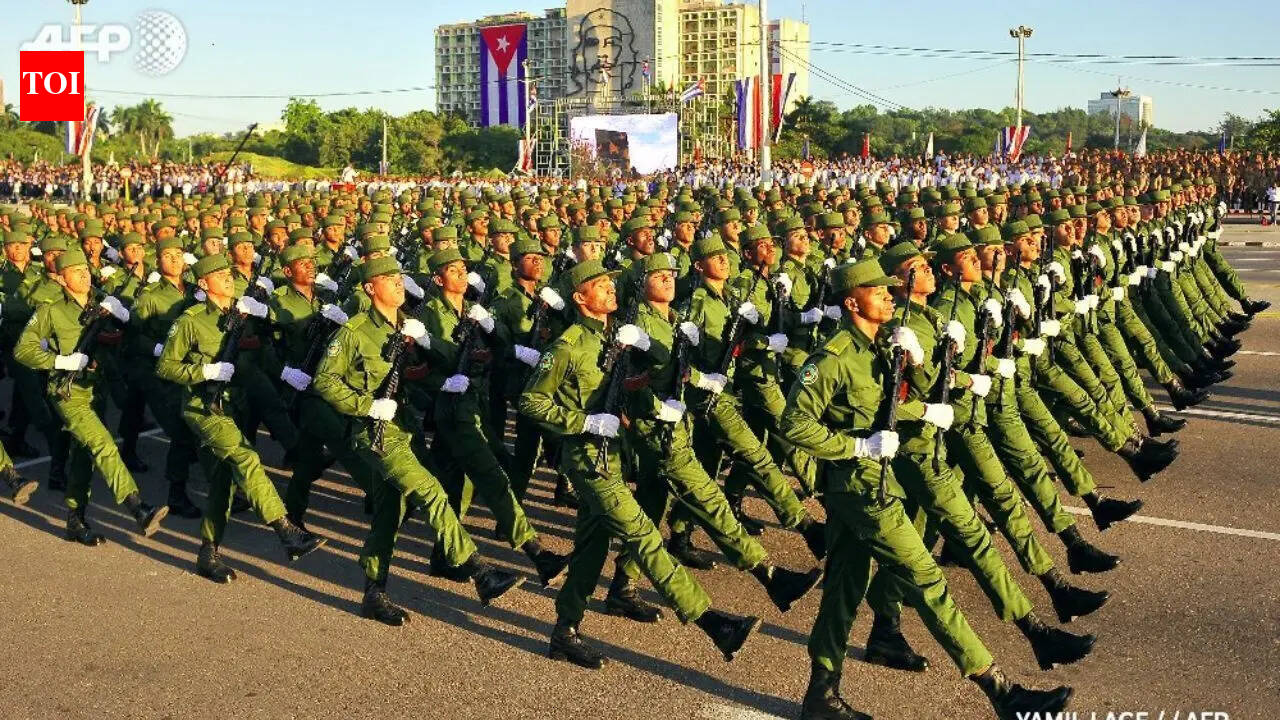
Washington has significantly ramped up surveillance and enacted new targeted sanctions against Cuba, following compelling intelligence reports indicating Havana's acquisition of sophisticated drone technology from non-allied nations. This strategic move, confirmed by a Pentagon brief to congressional leaders this week, intensifies concerns that Cuba could serve as a foreign military outpost, dangerously close to US shores. The development revives Cold War-era anxieties about adversarial military capabilities in the Western Hemisphere. This isn't merely about unmanned aerial vehicles; it's a proxy play for geopolitical influence. US intelligence is particularly alarmed by suggestions of technical assistance from Beijing and Moscow, potentially elevating Cuba reconnaissance capabilities and creating a dual-use threat, for both intelligence gathering and offensive operations. Recent diplomatic friction, including the May 2026 expulsion of three Cuban embassy officials from Washington and increased US Navy presence in the Florida Straits, underscores the Biden administration resolve to prevent any substantial foreign military footprint. Expect the US to continue a multi-pronged deterrence strategy, combining heightened naval patrols and intelligence gathering with diplomatic pressure and further economic restrictions. Congressional debates are anticipated over potential additional aid packages to regional partners to counter perceived threats. Havana's response — whether to de-escalate or deepen its ties with strategic rivals — will dictate the trajectory of this escalating standoff, with the long shadow of the 1962 missile crisis a constant historical referent.