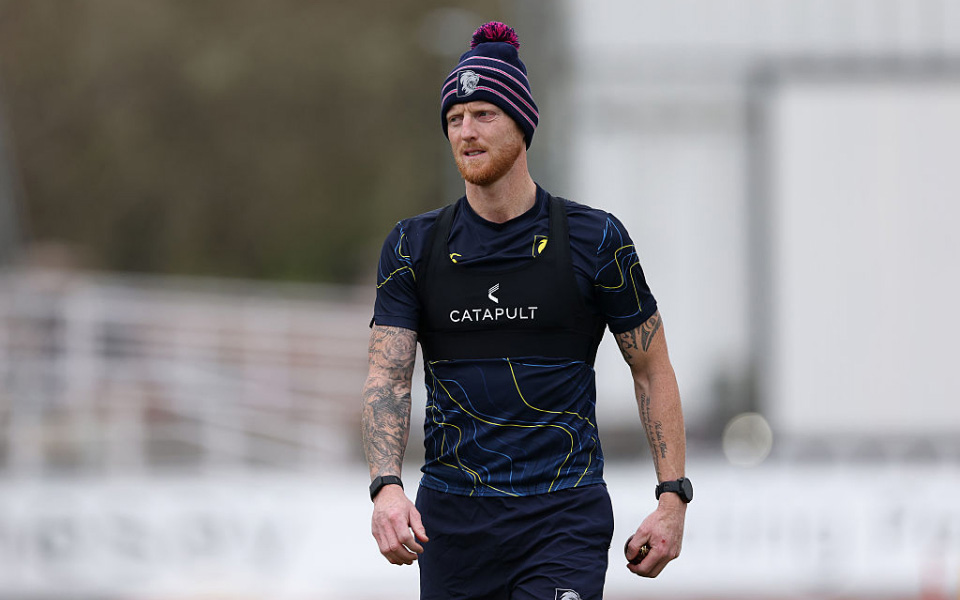
Dropped England captain Ben Stokes trains with Durham after nightclub controversy
Context mode is active. Hover over any highlighted term to see its definition. Click a nested term to go deeper.
England Test captain Ben Stokes has been dramatically dropped from the national squad for the second Test against New Zealand, effective June 17, following his alleged involvement in a nightclub brawl and a clear breach of team protocols. The all-rounder was spotted training with his county, Durham, on Saturday, a stark contrast to his usual role leading England, as the fallout from the incident casts a long shadow over the team's ongoing series and raises serious questions about player discipline. The controversy stems from an altercation in a London nightclub in the early hours of Monday, June 8, involving Stokes, teammate Gus Atkinson, and a Saracens Rugby Club academy player, Totoa Auvaa, after England's first Test victory. Both players reportedly breached the team's strict midnight curfew, a rule instituted to address a spate of off-field issues that marred England's recent Ashes tour. With an England security guard reportedly requiring stitches, the England and Wales Cricket Board (ECB) and the independent Cricket Regulator have launched investigations, placing Stokes' captaincy—and even his international career—under intense scrutiny, particularly given his past disciplinary record. Interim captaincy for the upcoming Test falls to Joe Root, while vice-captain Harry Brook was notably overlooked, having himself faced disciplinary action for a previous nightclub incident. As England prepares for the second Test at The Oval starting Wednesday, June 17, without its talismanic captain, the immediate focus shifts to how the team will perform under Joe Root temporary leadership. The ongoing investigations by the ECB and Cricket Regulator are expected to determine the disciplinary measures for Stokes and Atkinson, potentially including fines or suspensions, with speculation rife about Stokes' long-term future. This incident serves as a critical test for the England team's revamped culture and management's commitment to enforcing behavioral standards, with implications that extend far beyond this single series.