Gut Microbe Worsens Sepsis via Hyperinflammation - Mirage News
Context mode is active. Hover over any highlighted term to see its definition. Click a nested term to go deeper.
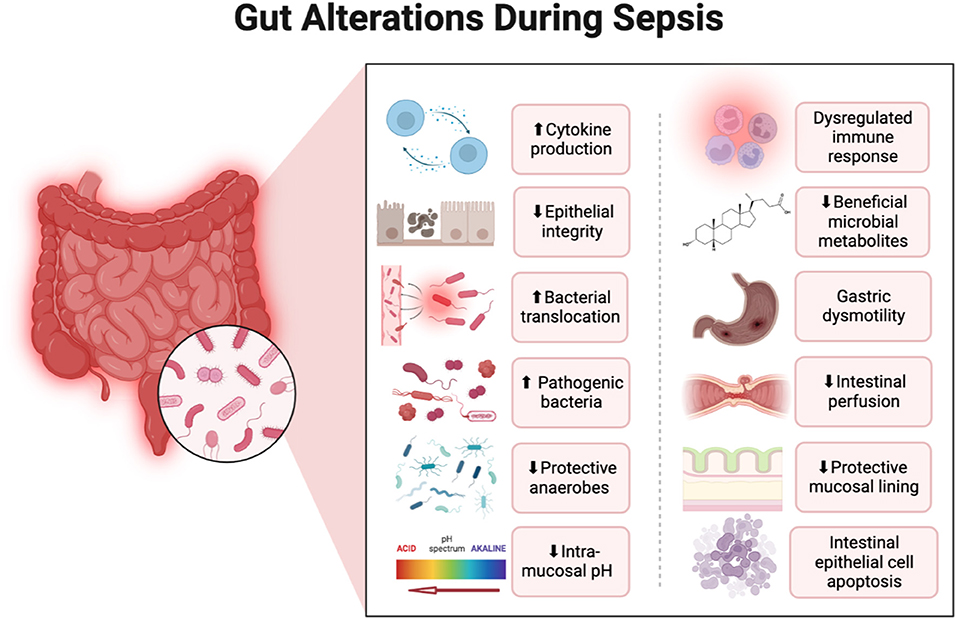
Groundbreaking research published in Nature Immunology this March has pinpointed a specific gut microbe, a particular strain of Enterococcus faecalis, as a critical driver of severe sepsis through unchecked hyperinflammation. Scientists at the Global Institute for Infectious Diseases discovered this bacterium produces a previously unknown metabolite, dubbed Sepsigen-A, which triggers a devastating cytokine storm, accelerating organ failure and dramatically increasing mortality rates in septic patients. This discovery arrives as clinicians grapple with persistent high mortality from sepsis, a global health crisis claiming millions annually despite advances in early detection and broad-spectrum antibiotics. The study challenges previous assumptions by highlighting a bacterial byproduct, not just the pathogen itself, as a direct instigator of the immune system's overreaction. Understanding this specific mechanism opens a new front in the battle against sepsis, where current treatments often fail to mitigate the immune-driven systemic damage. Looking ahead, the findings pivot research toward targeted therapies that could neutralize Sepsigen-A or specifically deplete the virulent Enterococcus faecalis strain without further disrupting the gut microbiome. This could pave the way for novel diagnostic markers and precision interventions, potentially integrating into personalized medicine approaches within the next five to seven years. The focus now shifts to developing rapid detection methods for Sepsigen-A and exploring prophylactic strategies for at-risk patients.