Israel, Lebanon agree to conditional ceasefire
Context mode is active. Hover over any highlighted term to see its definition. Click a nested term to go deeper.
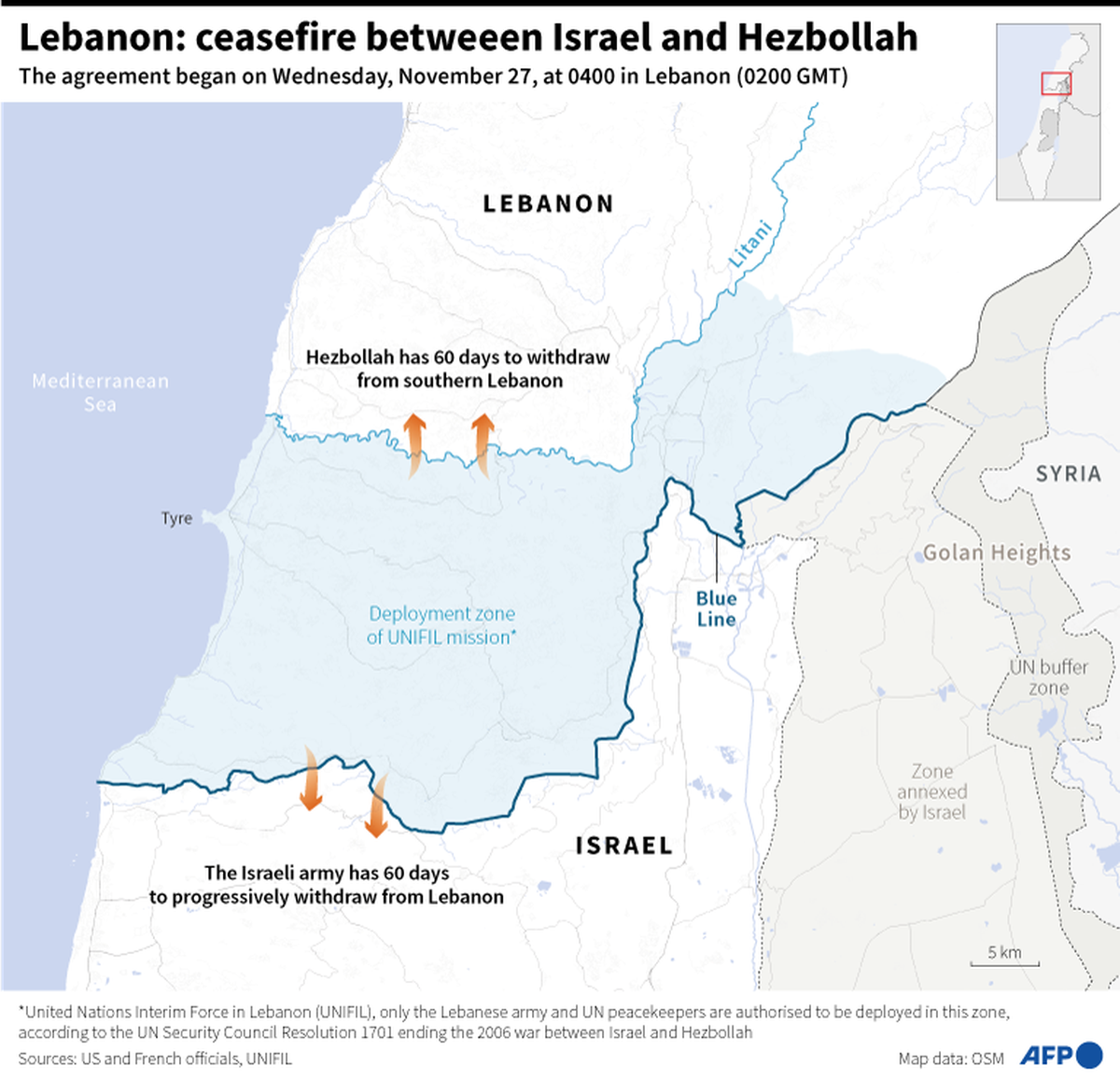
A fragile, U.S.-brokered ceasefire has been declared between Israel and Lebanon, but its endurance hinges precariously on Hezbollah immediate and total cessation of cross-border rocket and drone attacks. This marks a critical, albeit tenuous, pause after weeks of intensifying exchanges along the Blue Line that threatened to escalate into a full-scale regional confrontation. The agreement, mediated heavily by U.S. envoy Amos Hochstein and backed by UNSC Resolution 1701 parameters, follows Israel recent "Operation Iron Wall" targeting Hezbollah infrastructure in southern Lebanon, launched after a drone strike killed several IDF personnel. Hezbollah, for its part, has consistently cited solidarity with Hamas in Gaza and retaliation for Israeli actions as motives for its sustained barrages, despite severe domestic pressure in Lebanon regarding economic stability and regional entanglement. The implicit pressure from Tehran, Hezbollah primary patron, also played a role in the timing of this conditional halt. The immediate focus now shifts to Hezbollah operational response. Should rocket fire resume, Israel has signaled an immediate and disproportionate response, jeopardizing any diplomatic gains. International observers, particularly UNIFIL, will monitor adherence, but the long-term stability requires a more comprehensive security arrangement and further diplomatic efforts to delineate the disputed land and maritime borders, which remain a perennial flashpoint.