Pygmy hogs return to Assam's Manas grasslands after nine years without sightings
Context mode is active. Hover over any highlighted term to see its definition. Click a nested term to go deeper.
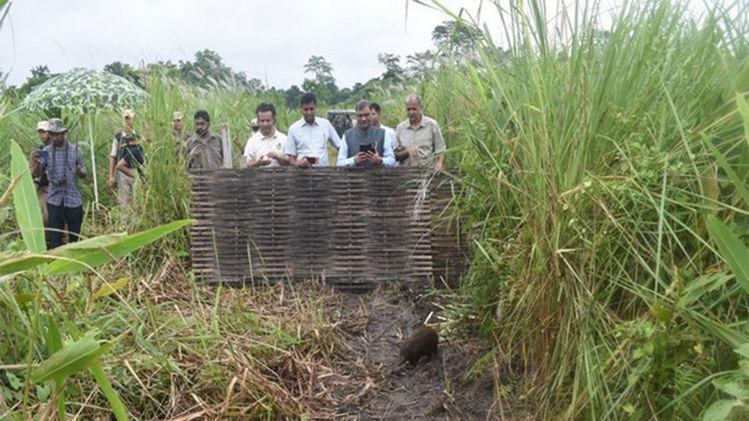
Manas National Park Kuribeel grasslands today welcomed fifteen captive-bred pygmy hog, marking the species' return to a crucial habitat after a nine-year absence of confirmed sightings. This strategic reintroduction—nine females and six males—underscores a significant push by conservationists to revive the world's smallest and rarest wild pig within its historical range in Assam. The move is a critical component of a long-term recovery plan to establish a self-sustaining population of this Critically Endangered mammal. This latest release is the sixth such effort in Manas since 2020, bringing the total number of pygmy hog reintroduced into the park to 78 under the ambitious Pygmy Hog Conservation Programme (PHCP). The initiative gains further urgency as grasslands in Manas have shrunk by over 60 percent since 1990, driven by invasive species and human encroachment, prompting the simultaneous launch of Assam's first dedicated grass nursery today. Pygmy hog are a key indicator species, and their survival is intrinsically linked to the health of these threatened sub-Himalayan grassland ecosystems, which also support rhinos, wild buffalo, and tigers. Looking ahead, the PHCP aims to release approximately 80 more pygmy hog over the next five years, with an ambitious target of nurturing a wild population of around 300 by 2040. Conservationists will now intensely monitor these newly released animals as they adapt to the wild, while sustained grassland restoration and community engagement efforts, like the Manas Mitra Programme, will be vital to mitigating ongoing threats from habitat loss and human disturbance.