East Antarctica's 'Blind Spot' Ice Sheet Poses Major Sea-Level Threat
Context mode is active. Hover over any highlighted term to see its definition. Click a nested term to go deeper.
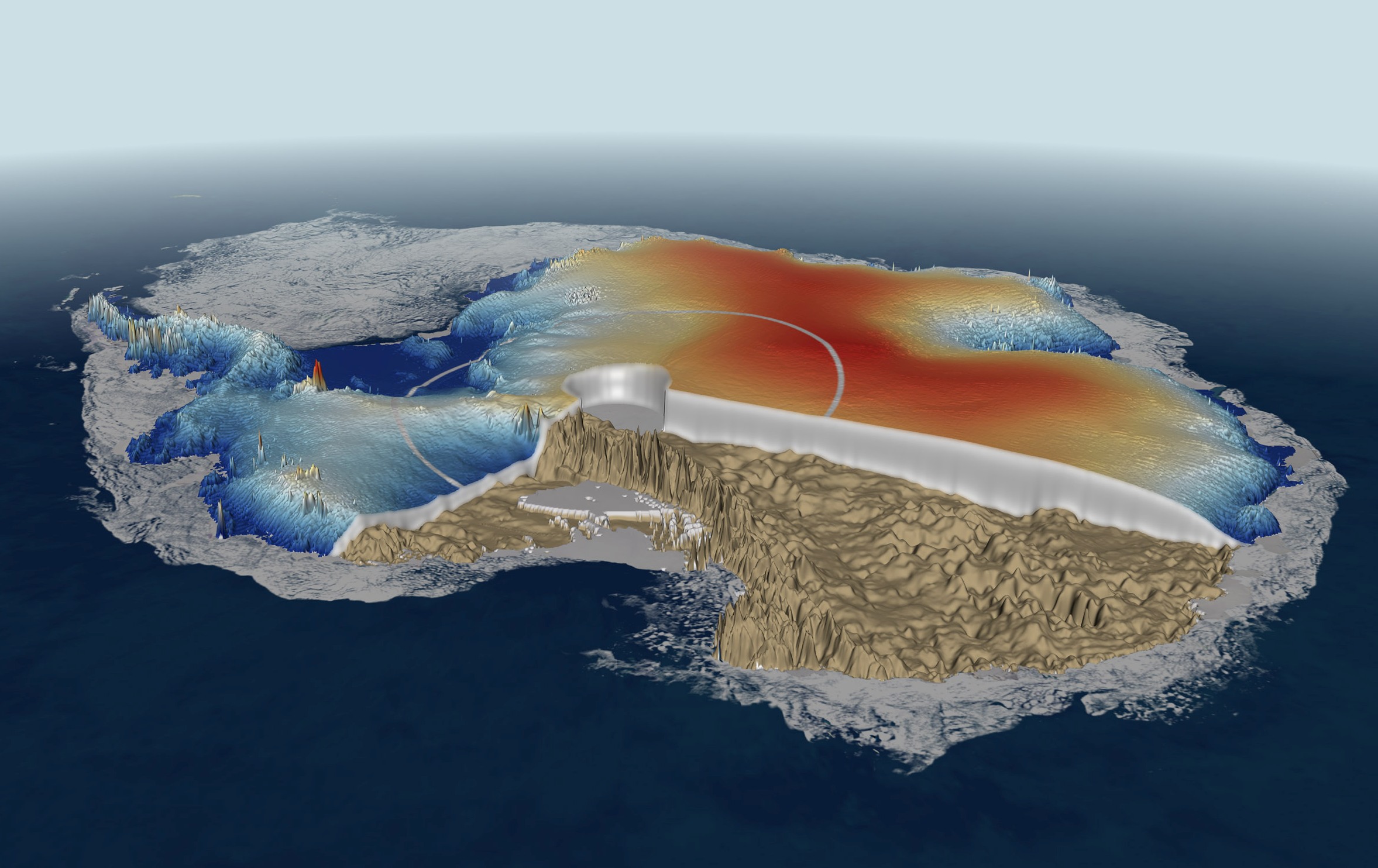
A vast, largely unexplored region of East Antarctica, the Wilkes Subglacial Basin, is now confirmed to be a critical 'blind spot' posing a major threat to global sea levels. A brand-new international review, just published in Nature Reviews Earth & Environment, warns that this enormous ice basin, previously thought stable, holds enough ice to raise global sea levels by three to four metres if it melts completely. Crucially, the study highlights that we still lack basic understanding of how quickly this could happen. This isn't just a distant future problem; scientists are sounding the alarm that the Wilkes Subglacial Basin shares a dangerous vulnerability with rapidly melting West Antarctic regions: its ice sits on bedrock that deepens inland. This setup creates a risk of 'marine ice-sheet instability,' where warming ocean waters can get under the ice and cause a rapid, runaway retreat. Historical records show the basin dramatically retreated during past warm periods, with current carbon dioxide levels even higher than those times. Even the Cook Glacier, a key part of the basin, has been thinning faster since the 1990s, shedding 40 billion tonnes of ice annually. While East Antarctica recently saw a temporary ice gain from unusual snowfall linked to a 'Rossby wave train' from the tropical warm pool, this doesn't reduce the long-term concern for regions like the Wilkes Basin. Led by Professor Matt King of the University of Tasmania, the review calls for an urgent, multinational research mission to map the seafloor and gather vital ocean and ice-sheet data. This is no small feat, as persistent sea ice makes the area incredibly difficult to reach, a challenge noted even by early explorers like Sir Douglas Mawson over a century ago. Without this crucial data, scientists cannot accurately predict when potential tipping points could be reached, leaving coastal communities worldwide unprepared for the massive sea-level changes that could dramatically impact lives and economies.