Ebola Alarm: Nigeria Confirms First Case, Raising West Africa Outbreak Fears
Context mode is active. Hover over any highlighted term to see its definition. Click a nested term to go deeper.
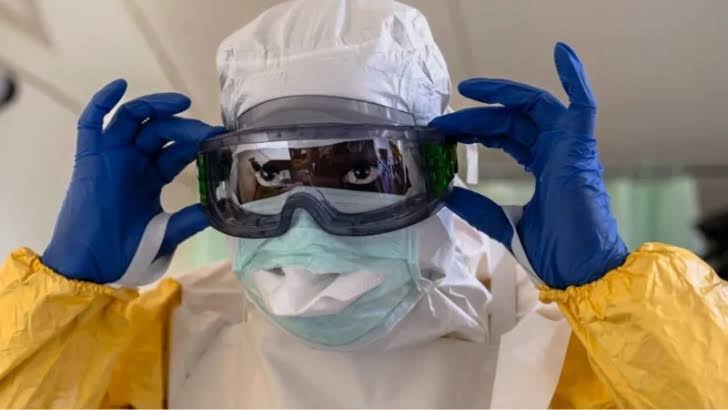
Nigeria has confirmed its first case of Ebola, a deadly viral disease, in its capital city, Abuja, after a woman traveling from Uganda tested positive. This alarming development places West Africa on high alert, as the current Ebola outbreak, specifically the Bundibugyo strain, continues its rapid and unprecedented spread across the continent. Health Minister Muhammad Ali Pate announced the confirmed diagnosis, emphasizing the patient is isolated and receiving care. This isn't just any Ebola scare; this particular outbreak, which started in the Democratic Republic of the Congo (DRC) in May 2026, has become known as the fastest-spreading and most geographically extensive in history, affecting five countries so far. With Kenya already reporting nine cases and the Bundibugyo strain lacking a specific vaccine or treatment, the threat is extremely serious, carrying a nearly 50% fatality rate. Nigerian authorities are now racing against time, tracing 44 identified contacts of the infected woman who showed symptoms four days after her arrival in Abuja. Nigeria, having successfully contained a 2014 Ebola outbreak, has swiftly activated its emergency response, including an incident management system led by the Nigeria Centre for Disease Control and Prevention. The World Health Organization (WHO) and Africa Centres for Disease Control (Africa CDC) are already stepping in to support efforts, urging sustained vigilance across the region. The immediate focus remains on isolating suspected cases, rigorous contact tracing, and robust infection prevention to prevent further transmission, as investigations continue into the patient's full travel and exposure history.