Ebola Crisis Deepens in DR Congo as Over 3,200 Cases Ignite Health Worker Fury Over Unpaid Wages
Context mode is active. Hover over any highlighted term to see its definition. Click a nested term to go deeper.
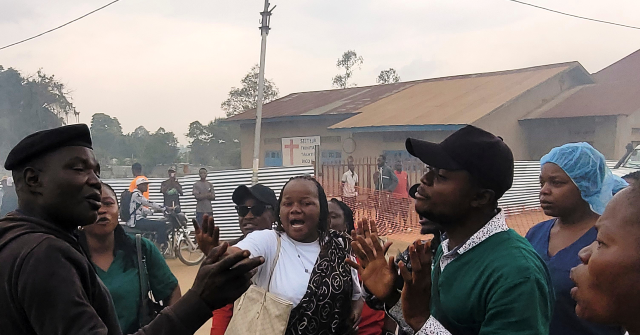
The Democratic Republic of Congo (DRC) is reeling from a rapidly worsening Ebola outbreak, with confirmed cases now soaring past 3,200 and claiming nearly 1,440 lives. This dire public health emergency has been further complicated by widespread strike from critical health workers, who halted operations at key Ebola Treatment Centre over repeated delays in receiving their salaries and performance bonuses. The protests, which escalated over the weekend, severely disrupt efforts to contain what is already the fastest-spreading Ebola outbreak on record. This 17th Ebola outbreak in the DRC, declared in May 2026, is particularly challenging because it's caused by the Bundibugyo virus strain, for which no approved vaccines or specific treatments currently exist. The World Health Organization (WHO) declared it a Public Health Emergency of International Concern (PHEIC) on May 16, 2026, underscoring its severe global risk. Front-line workers in the outbreak's epicenter, Ituri province, have been protesting for months, citing unfair treatment and a lack of essential equipment alongside their unpaid wages, while ongoing armed conflict and population displacement further complicate contact tracing and containment efforts. With health officials struggling to keep pace, the next few days are critical. While the DRC's Prime Minister, Judith Suminwa, recently visited Ituri and acknowledged payment delays, promising resolution through mobile money, striking workers await 'concrete solutions' before returning. The international community, including WHO and Doctors Without Borders, continues to support the response, but a significant funding gap and persistent insecurity threaten to prolong this humanitarian catastrophe, leaving millions vulnerable as new experimental treatments for Bundibugyo virus race through clinical trials.