Ebola, hantavirus, diphtheria: how distrust in health care is fuelling multiple outbreaks across the globe - UNSW Sydney
Context mode is active. Hover over any highlighted term to see its definition. Click a nested term to go deeper.
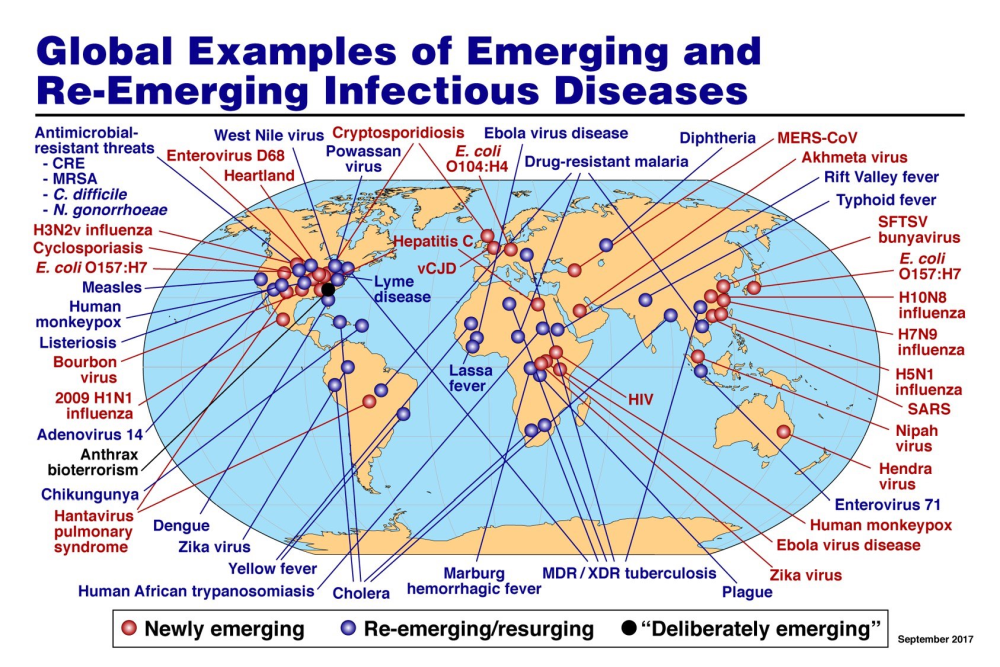
A troubling nexus of disease and societal skepticism is fueling multiple infectious disease outbreaks globally in the first half of 2026, as evidenced by fresh surges of Ebola, hantavirus, and diphtheria. A new Ebola outbreak, caused by the virulent Bundibugyo strain with no approved vaccine, is currently devastating the Democratic Republic of Congo's Ituri Province and has spilled into Uganda, where distrust has led communities to torch humanitarian tents and resist crucial safe burial protocols. Concurrently, a hantavirus pulmonary syndrome outbreak traced to the Andes virus has swept through a South Atlantic cruise ship, while diphtheria continues its relentless spread across Sub-Saharan Africa and has resurfaced in Australia, with both crises exacerbated by communication breakdowns and pervasive public skepticism. This alarming landscape underscores how deeply ingrained distrust in healthcare systems, alongside a vacuum of clear communication, is sabotaging global public health interventions. In the DRC, the Ebola response is further complicated by ongoing conflict and a fragile healthcare infrastructure, with reports indicating weakened global detection systems following the US defunding of the World Health Organization and the disassembly of USAID. Similarly, the hantavirus cruise ship incident highlighted a perceived slowness from the US Centers for Disease Control, which allowed misinformation to proliferate on social media, mimicking challenges seen in the Australian diphtheria resurgence where communities felt left without vital information. As global health confronts strained multilateralism and declining vaccine trust heading into the latter half of 2026, the immediate future demands a radical overhaul of communication strategies and community engagement to rebuild confidence. Authorities must proactively address misinformation and provide tailored, accessible information to vulnerable populations, particularly as vaccine-preventable diseases surge in regions with compromised health systems and ongoing instability. The ability to contain these, and future, outbreaks hinges on restoring faith in medical science and the institutions designed to protect public health.