Ebola Outbreak Accelerates in DRC: Clinical Trials Offer New Hope Against Bundibugyo Strain
Context mode is active. Hover over any highlighted term to see its definition. Click a nested term to go deeper.
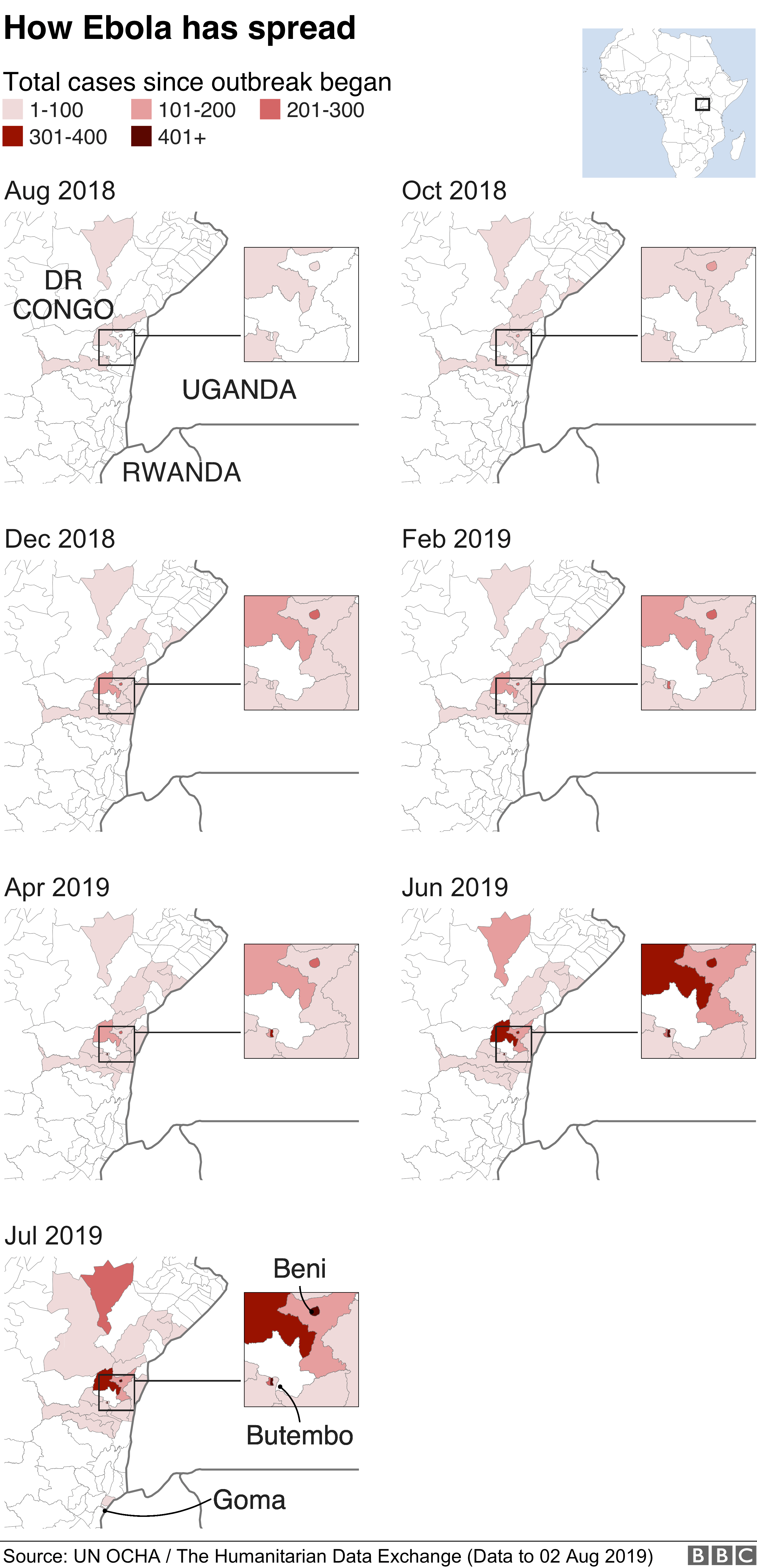
A deadly Ebola outbreak is rapidly accelerating across the Democratic Republic of Congo (DRC), with nearly 2,000 confirmed cases and over 700 deaths reported by mid-July 2026, making it the third-largest outbreak in history. This surge, driven by the aggressive Bundibugyo virus strain for which there are no approved treatments, is particularly concentrated in the conflict-ridden Ituri province and is now spreading into new, critical areas like Kisangani, a major transport hub. The World Health Organization (WHO) declared this a Public Health Emergency of International Concern (PHEIC) in May 2026, as the virus continues to outpace response efforts amidst insecurity, community mistrust, and challenges in contact tracing. Hope, however, is emerging from new clinical trials, the 'PARTNERS' trial, which began on July 2, 2026, in the DRC to test two experimental drugs: MBP134, a monoclonal antibody, and Remdesivir, an antiviral. These trials, designed to find the first effective treatments for the Bundibugyo strain, are enrolling patients in affected areas, with results expected in a few months. Additionally, another oral antiviral, Obeldesivir, is being evaluated for post-exposure prophylaxis to prevent further spread among those exposed. The success of these trials is crucial not only for saving lives in the DRC but also for global health preparedness against future outbreaks, especially as the virus risks crossing borders into neighboring countries like South Sudan.