Eby Defends Controversial Land Transfer Plan Amidst Election Scrutiny
Context mode is active. Hover over any highlighted term to see its definition. Click a nested term to go deeper.
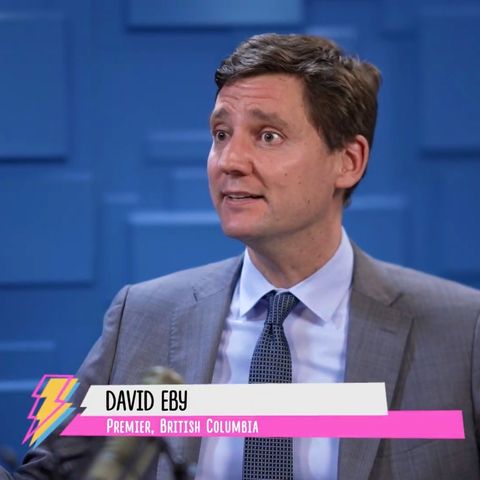
British Columbia political landscape is buzzing as NDP Leader David Eby staunchly defends his government's contentious draft plan to limit compensation for forestry companies when Crown land is transferred to First Nations. Confidential documents, leaked just ahead of the provincial election on October 24, 2026, reveal that the proposed legislation aims to slash taxpayer costs by reducing or eliminating payouts for timber rights on approximately 400 parcels of land already committed for Indigenous transfers. This move has ignited a fierce debate, with the Council of Forest Industries arguing it's unfair to force businesses to absorb these costs, especially as the forestry sector grapples with economic headwinds. Eby, however, frames the legislation as a crucial step in fulfilling long-standing treaty and reconciliation commitments, emphasizing the province's significant fiscal constraints and projected multi-billion-dollar budget deficits. The controversy is further fueled by the fact that these plans were kept under wraps, absent from the NDP official election platform, and forest companies were made to sign non-disclosure agreements to view the details, drawing accusations of secrecy from opposition parties. With the provincial election just around the corner on October 24, 2026, the future of this legislation, which aims for a Spring 2027 introduction, hangs in the balance. Critics are demanding greater transparency, while Eby maintains that similar non-disclosure agreements are standard practice. The outcome of the election will heavily influence whether this cost-saving measure proceeds, potentially reshaping the economic landscape for B.C.'s forestry industry and advancing Indigenous reconciliation, albeit with significant financial implications for businesses.