ECB Chief Lagarde Steps Down Early, Igniting Succession Race Amid Eurozone Turmoil
Context mode is active. Hover over any highlighted term to see its definition. Click a nested term to go deeper.
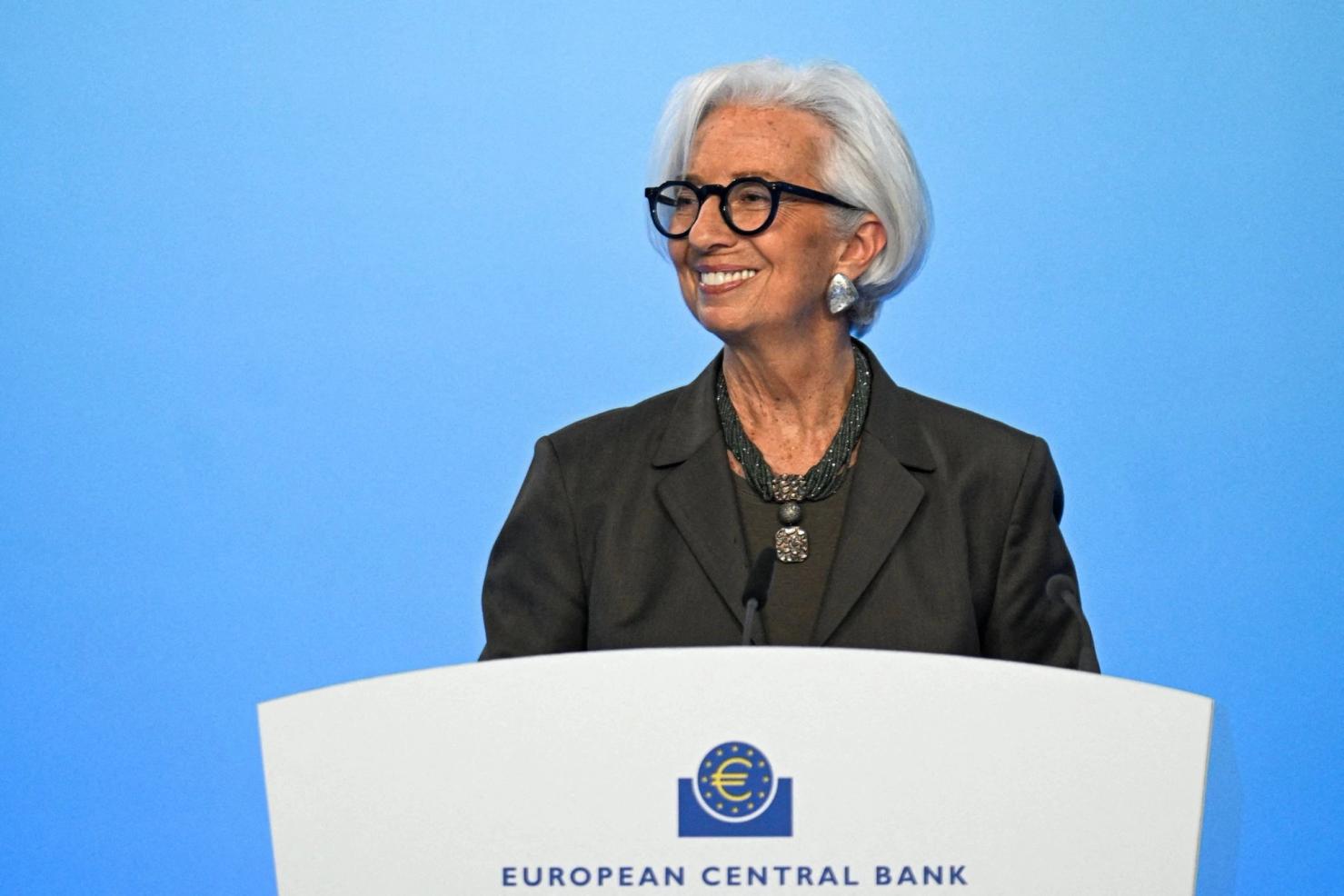
European Central Bank (ECB) President Christine Lagarde announced her resignation on Thursday, effective February 7, 2027, cutting her eight-year term short by nine months. The surprise move, confirmed by the ECB, allows Lagarde to reclaim her freedom of speech and engage in broader political and global matters, a liberty constrained by the central bank's strict neutrality mandate. While initial market reactions were somewhat muted, the euro saw a dip to its lowest level since May 2025, and government bond yields also dropped, reflecting a degree of uncertainty. Lagarde's early departure arrives at a critical juncture for the Eurozone, which is grappling with renewed inflation risks fueled by an Iran-driven oil shock and a sharp increase in bond yields, particularly in France, threatening economic growth. The ECB Governing Council, having just held interest rates steady at 2.5% despite high inflation, hinted at a potential rate hike in December as it continues to battle persistent price pressures. This leadership vacuum also coincides with the upcoming French presidential election in spring 2027, a crucial timing that allows current European Union leaders to appoint a successor before a potential far-right victory could complicate the process. Adding to the complexity, two other key members of the ECB Executive Board, Philip Lane and Isabel Schnabel, are also set to depart around the same period, offering EU leaders a rare opportunity to significantly reshape the bank's top brass. The race to succeed Lagarde is now officially underway, with the European Council tasked with appointing the next ECB President. Leading contenders include Klaas Knot, the former Dutch central bank governor, and Pablo Hernandez de Cos, the former Bank of Spain governor and current General Manager of the Bank for International Settlements. Observers will closely watch the selection process for any signals on the future direction of the Eurozone monetary policy, especially as the region navigates ongoing economic volatility and political shifts. This leadership transition will be pivotal in maintaining price stability and safeguarding the stability of the euro in the challenging months ahead.