ECB’s Schnabel Sees Upside Inflation Risks Despite Peace Deal
Context mode is active. Hover over any highlighted term to see its definition. Click a nested term to go deeper.
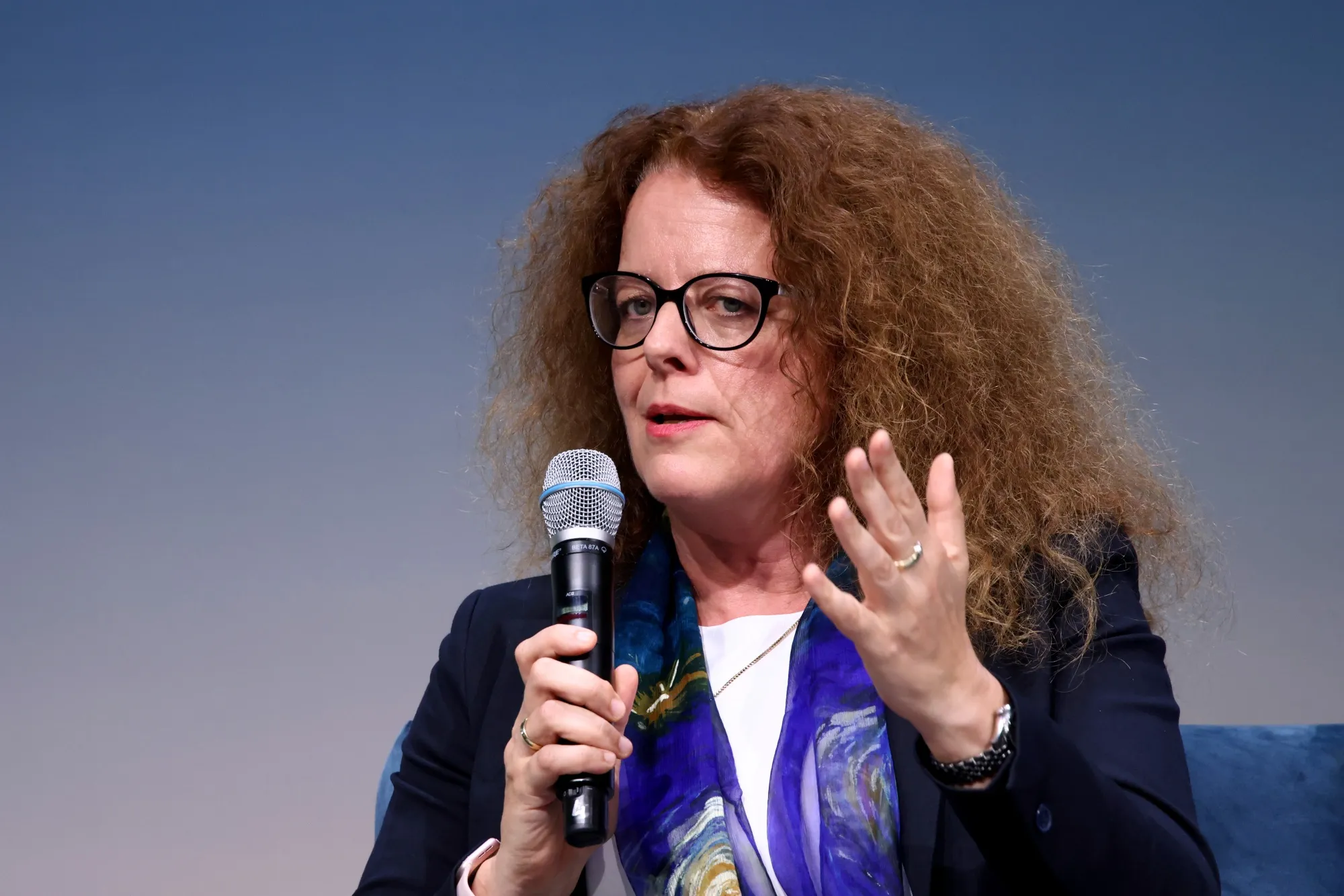
European Central Bank Executive Board member Isabel Schnabel has thrown a curveball, warning on June 27 that inflation risks are still leaning upwards, even though a US-Iran peace deal has led to the phased reopening of the vital Strait of Hormuz. This unexpected caution comes just days after the US-Iran agreement, which many hoped would significantly ease global energy pressures and bring down prices. Schnabel, a known 'hawk' on the ECB Governing Council, insists that optimism about the peace deal shouldn't make policymakers complacent. The stakes are high because despite the peace agreement and an initial dip, oil prices are still expected to stay elevated as the Strait of Hormuz reopens gradually, not instantly. The ECB itself recently hiked interest rates by 25 basis points on June 11, the first increase since September 2023, specifically citing the 'Iran energy shock' as a key driver for upward revised inflation forecasts for 2026 and 2027. Beyond energy, Schnabel sees persistent upside risks across food, commodity, and services inflation, noting that while consumer inflation expectations are rising, significant wage pressure hasn't fully materialized yet. Supply chain disruptions and broader geopolitical fragmentation also continue to keep costs high for businesses. Looking ahead, all eyes will be on upcoming Eurozone inflation reports, with headline inflation projected to average 3.0% in 2026—still well above the ECB 2% target. Schnabel's remarks strongly suggest that the ECB is likely to implement further interest rate hikes to rein in persistent price pressures, despite potential economic slowdowns. The delicate balance between managing inflation and supporting economic growth will define the ECB decisions in the coming months, as the global economy navigates continued instability.