El Nino has arrived, Monsoon rainfall may be affected
Context mode is active. Hover over any highlighted term to see its definition. Click a nested term to go deeper.
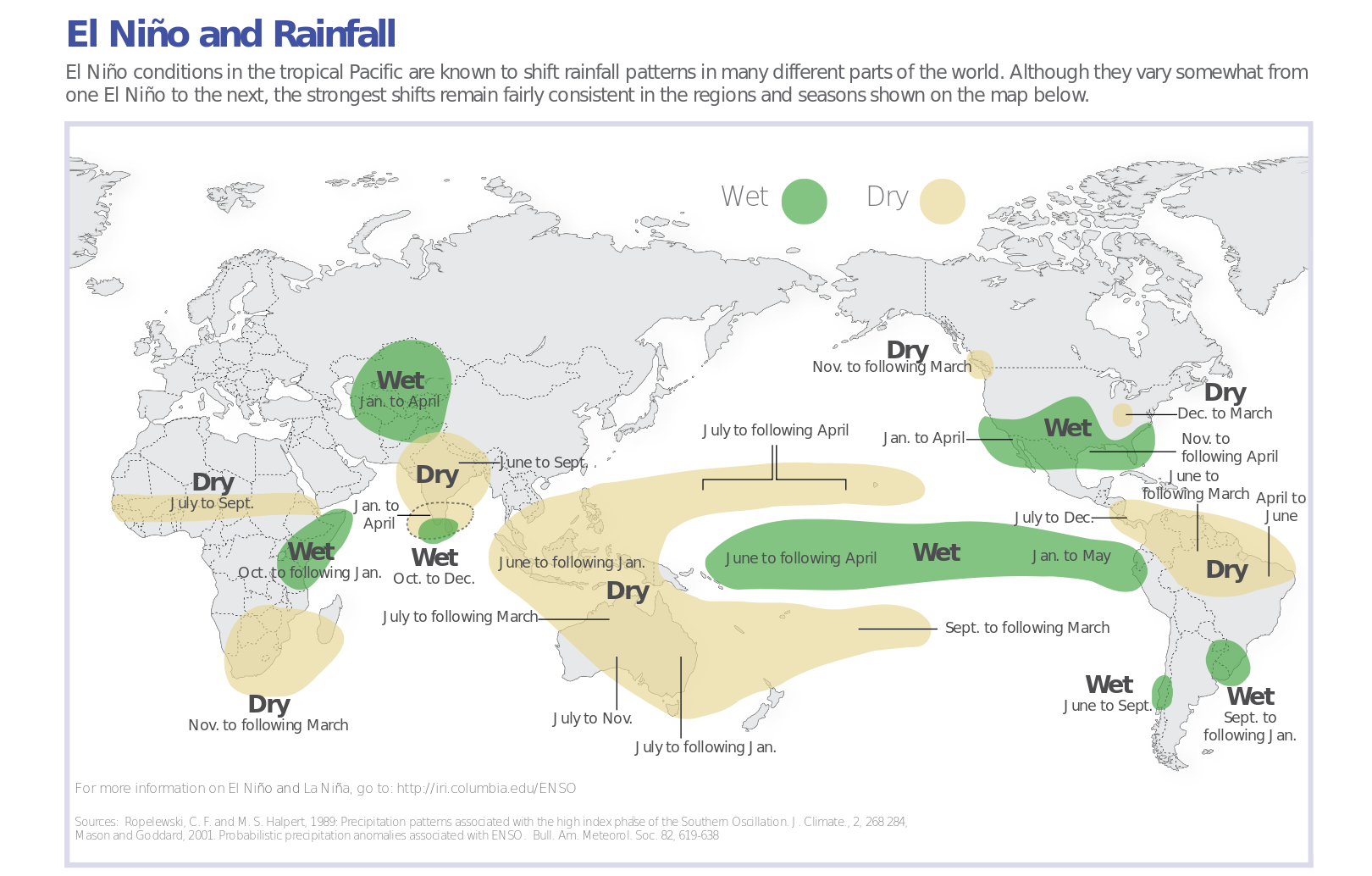
India's critical monsoon season is staring down its worst forecast in over a decade, as the India Meteorological Department (IMD) officially confirmed the onset of El Nino conditions over the equatorial Pacific. This climate pattern, notorious for suppressing rainfall and driving up temperatures across the subcontinent, is projected to strengthen significantly, with global forecasters warning of a potential 'super El Nino' that could exacerbate drought-like conditions and agricultural stress across large swathes of the country. The stakes are immediate and profound for India, where nearly half of the farmland relies on seasonal rains for crucial kharif crops like rice, pulses, and oilseeds. The IMD downgraded forecast to 90% of the Long Period Average (LPA) implies a 60% chance of a deficient monsoon, a scenario that historically triggers agricultural losses, elevates food inflation, and constricts rural incomes, impacting India's broader economic growth trajectory. Despite relatively healthy current reservoir levels offering some buffer, the Union Ministry of Agriculture and Farmers Welfare has entered 'crisis mode,' identifying almost 200 vulnerable districts and initiating an urgent overhaul of decade-old contingency plans. Looking ahead, a multi-ministry task force is actively mapping alternative crops and import strategies to mitigate potential shortages, with revised district-level plans due by June 20. While the government assures readiness with sufficient seed stocks and proactive measures, the primary concern remains the spatial and temporal distribution of rainfall, particularly during the critical sowing months of July and August. The global scientific community, including NOAA and WMO, is closely monitoring El Nino intensification, underscoring the urgent need for robust adaptation strategies against what could be one of the strongest events in recent history.