Engineered Albumin Breakthrough: Longer-Lasting, Needle-Free Protein Drugs on Horizon
Context mode is active. Hover over any highlighted term to see its definition. Click a nested term to go deeper.
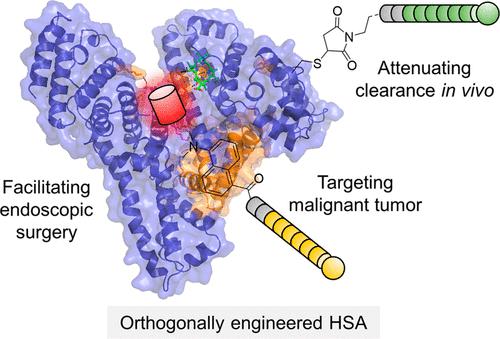
Scientists are buzzing over a game-changing advance in drug delivery: a new 'albumin fusion' technique that dramatically extends how long therapeutic proteins stay active in the body and helps them get where they need to go, even without injections. This breakthrough uses an engineered version of human albumin, a natural protein, to act like a super-carrier for medicines, promising more effective and patient-friendly treatments for a range of diseases. At the heart of this innovation is an engineered albumin variant, dubbed QMP, which has been shown to interact much more effectively with the body's natural recycling system, the neonatal Fc receptor (FcRn). In recent preclinical studies, fusing erythropoietin (EPO) to this engineered albumin extended its active life in mice by over five times compared to standard approaches. More impressively, this fusion allowed the drug to cross mucosal barriers, such as those in the nose, opening the door for needle-free drug delivery – a massive leap from current injectable protein therapies that patients often find burdensome. While still in the preclinical stage, these findings suggest a future where frequent injections for chronic conditions could become a thing of the past. Researchers will now be focusing on translating these promising results from mouse models into human clinical trials. The potential ripple effects are huge, from improving patient comfort and compliance to revolutionizing how we deliver protein-based drugs for everything from anemia to autoimmune disorders, making treatments more accessible and less invasive globally.