Escalating Air War: Ukraine's Drone Blitz Squeezes Russia as Missile Barrages Continue
Context mode is active. Hover over any highlighted term to see its definition. Click a nested term to go deeper.
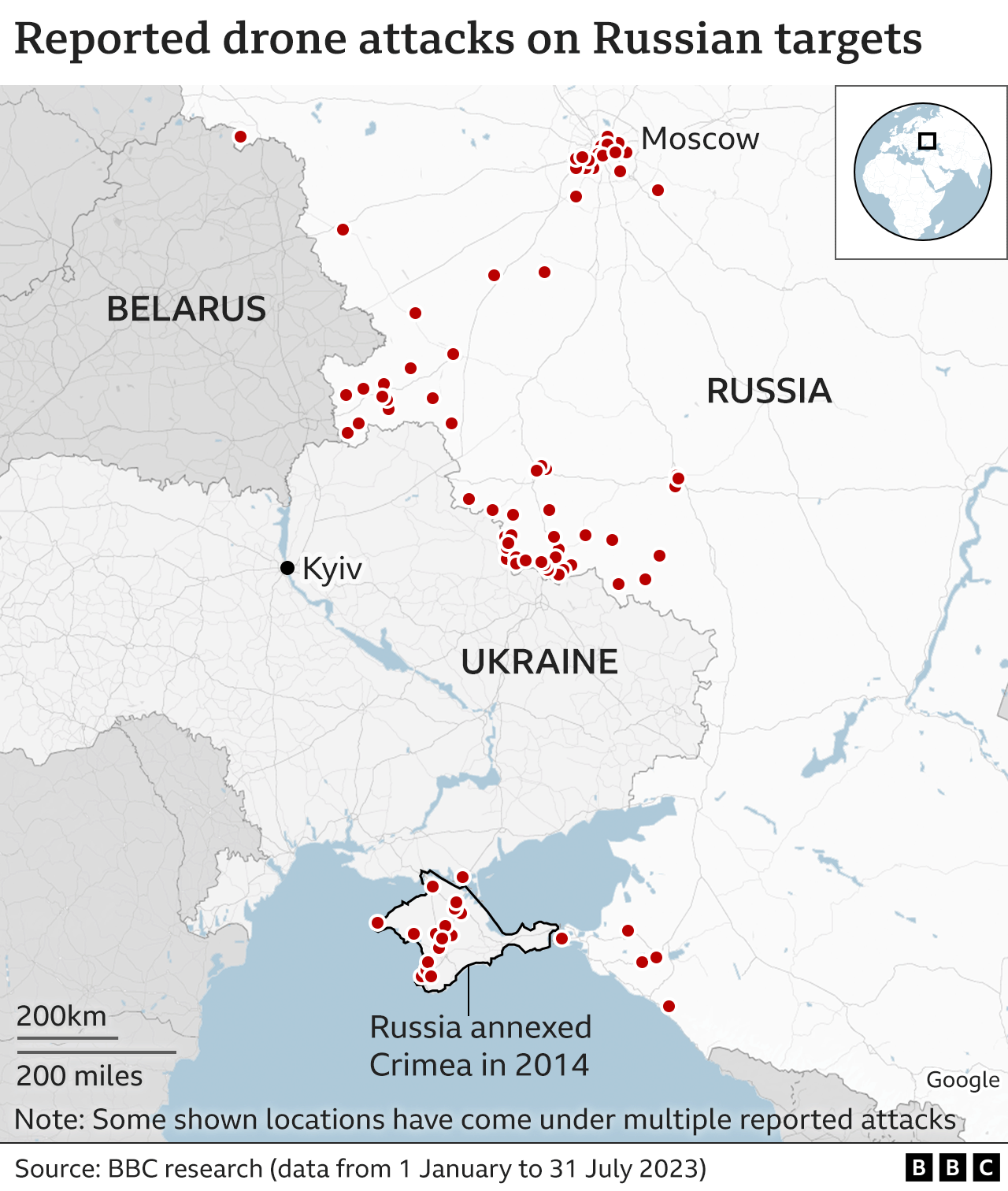
The conflict in Ukraine intensified this past weekend with deadly Russian ballistic missile strikes hitting Kyiv and other cities, killing at least two civilians, while Ukrainian drone attacks retaliated, reportedly killing four in Russian-occupied Horlivka and injuring 12 in Belgorod. These reciprocal attacks underscore a brutal escalation where both sides are striking deep behind enemy lines, aiming to weaken military and economic infrastructure. Ukraine Air Force reported countering seven ballistic missiles and 136 drones overnight, showcasing the sheer volume of the ongoing aerial assault. Ukraine expanded drone campaign is severely impacting Russia, particularly its energy sector and logistics. Recent strikes have crippled between 20% and 40% of Russia oil refining capacity, an unprecedented blow that has triggered widespread fuel shortages, rationing, and long queues at petrol stations across numerous regions. This economic pressure, which has affected over 50 million Russians, challenges Vladimir Putin carefully cultivated image of control and aims to undermine the Kremlin's ability to sustain its war machine. Ukrainian President Volodymyr Zelenskyy has framed these actions as 'long-range sanctions' to compel Moscow toward ending the war. Looking ahead, the pressure from these drone strikes might open a narrow window for renewed diplomatic efforts, with reports suggesting US and Ukrainian officials are discussing new air ceasefire proposals to present to Moscow. However, with Putin seemingly resisting such overtures and instead reportedly planning a new wave of military mobilization and seeking an additional 30,000 North Korean troops and ballistic missile launchers, a definitive end to the intense aerial exchanges and the broader conflict appears distant. The coming weeks will likely reveal whether economic strain can genuinely shift geopolitical stubbornness.