EU Declares War on Big Tech: Social Media Off-Limits for Under-13s, Tightening Grip on Teen Access
Context mode is active. Hover over any highlighted term to see its definition. Click a nested term to go deeper.
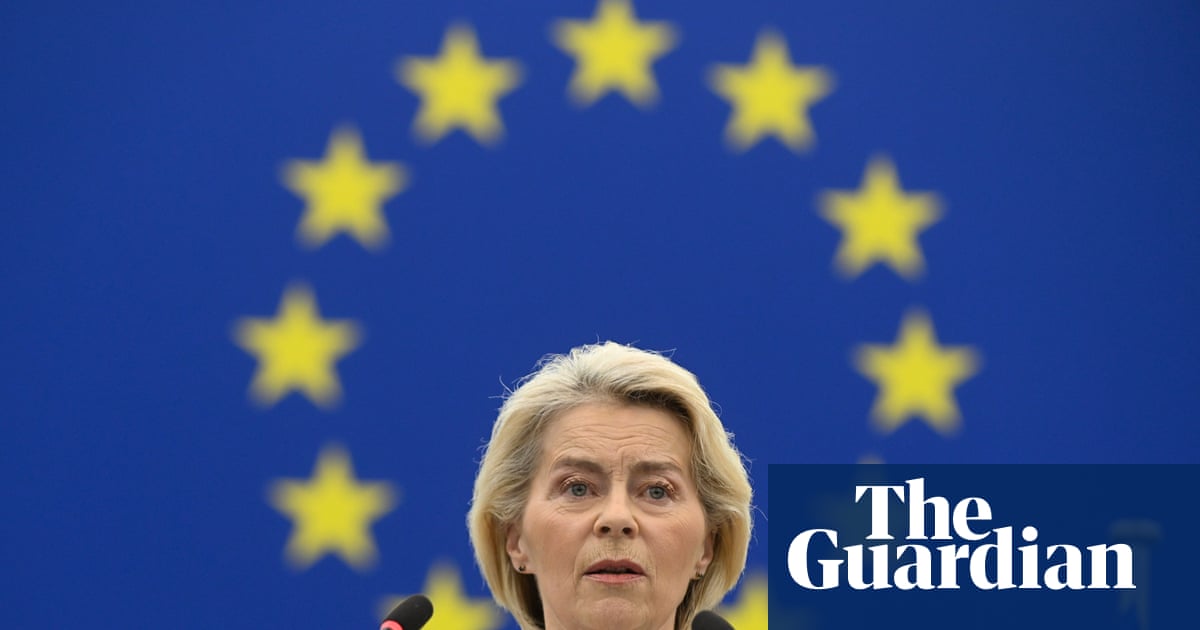
In a bold move reshaping the digital landscape for millions of young people, European Commission President Ursula von der Leyen announced the "EU Kids Act" on Wednesday, proposing a complete ban on social media for children under 13 across the bloc. The groundbreaking draft law aims to tackle concerns that popular apps are 'depriving children of their childhood' by introducing strict age limits and accountability for major tech platforms. This comprehensive legislation would also require parental supervision for 'mini accounts' used by 13-to-15-year-olds, capping their screen time at one hour daily and limiting features. This aggressive push by the EU comes amid a growing global backlash against social media's impact on youth mental health, with evidence linking addictive design features to psychological risks. The proposed Kids Act builds on existing regulations like the Digital Services Act (DSA) and recommendations from an EU expert panel, shifting the burden onto tech companies to prove their services are safe for minors before deployment. While Australia already banned social media for under-16s in 2025, and Brazil implemented parentally-controlled accounts, the EU's unified approach signals a significant escalation in regulatory pressure on Big Tech worldwide. With the European Commission formally tabling its proposal today, the 'EU Kids Act' now enters a crucial negotiation phase with the European Parliament and the EU Council. Should it pass, platforms failing to comply could face hefty annual turnover fines of up to 6%, setting a powerful precedent for child online safety globally and challenging the unchecked influence of tech giants. This legislative journey will determine how Europe plans to regain control of its children's digital futures, leaving Big Tech scrambling to adapt.