Eurasian Leaders Unite on Human-Centric Security, Boost SCO Economic Vision
Context mode is active. Hover over any highlighted term to see its definition. Click a nested term to go deeper.
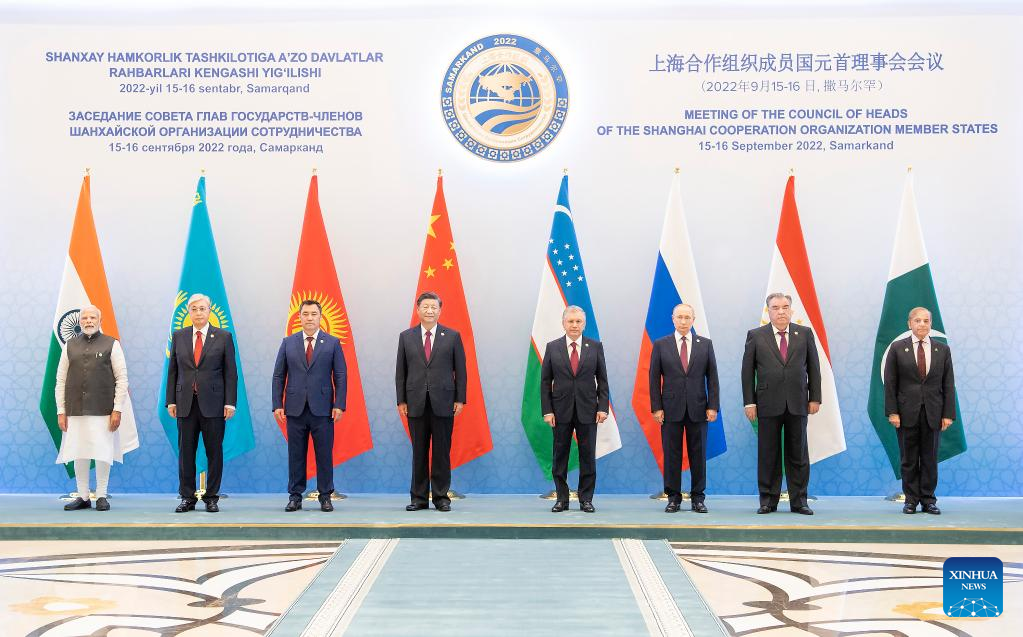
At the recent Shanghai Cooperation Organization (SCO) Summit in Bishkek, Kyrgyzstan, Kazakhstan's President Kassym-Jomart Tokayev strongly backed Indian Prime Minister Narendra Modi call for a 'human-centric approach' to global affairs, especially in Eurasian security. This powerful endorsement underscored a shared vision among key regional players to foster deeper trust and expand economic cooperation, moving beyond traditional security concerns to build a more collaborative and prosperous future across the vast Eurasian landmass. The summit, marking the SCO's 25th anniversary, served as a critical platform to address escalating regional challenges, including combating terrorism, extremism, and separatism – often termed the 'three forces of evil' – alongside transnational crime and cyber threats. Leaders emphasized that while security remains paramount, the group's economic interconnectedness is yet to fully realize its potential, with current trade among SCO countries nearing one trillion US dollars. Discussions focused on concrete steps like creating a broad trade and investment space with minimal barriers, digital procedures, and robust transport links, reflecting a shift towards tangible economic integration and development. Looking ahead, the summit adopted the Bishkek Declaration and signed 28 outcome documents, including proposals for an SCO Development Bank and a long-term SCO Transport Connectivity Strategy through 2035, aiming to streamline cargo movement with a Unified SCO Digital Transit Platform. With Pakistan taking over the SCO chairmanship for 2026-2027, the focus will be on implementing these ambitious initiatives and navigating complex geopolitical dynamics, ensuring sustained progress toward a more stable and economically integrated Eurasia.