Europe 'Ignored' India's Trade Warning, Says Belgian PM Amid Global Shifts
)
Context mode is active. Hover over any highlighted term to see its definition. Click a nested term to go deeper.
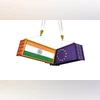
Belgian Prime Minister Bart De Wever recently admitted that Europe had a 'rude awakening' regarding the dangers of becoming overly reliant on other economies, acknowledging that India had warned European nations about these trade risks much earlier but was not heard. Speaking in New Delhi, De Wever expressed regret that Europe 'didn't listen' to Prime Minister Narendra Modi warnings about economic dependencies being used as leverage, a clear reference to growing concerns over China economic influence. This candid admission signals a significant shift in Europe's trade policy and its recognition of India as a vital strategic partner in a changing global landscape. This awakening comes as Europe grapples with 'weaponized dependencies' and seeks to reduce its reliance on 'big economical powerhouses' moving away from rules-based cooperation, an indirect criticism of China practices like dumping cheap goods that undermine industrial bases. The timing is crucial, following the landmark India-EU Free Trade Agreement (FTA) concluded in January 2026, hailed as the 'mother of all deals,' designed to deepen trade, diversify supply chains, and enhance strategic autonomy for both partners. The FTA, after nearly two decades of negotiations, aims to double EU exports to India by 2032 and create a market of nearly two billion people, reflecting a broader geopolitical realignment driven by a desire for economic security and predictable partnerships. Looking ahead, this renewed focus on India suggests closer collaboration on trade, investment, technology, and defence, with Belgium and India already agreeing to deepen defence cooperation. However, challenges remain, such as India's concerns about the EU Carbon Border Adjustment Mechanism (CBAM), which could impact Indian exports. Europe's commitment to multilateralism, with India as a top partner, will be tested as both sides work to navigate these complexities and build robust, resilient economic ties amidst ongoing geopolitical headwinds and the push for greater strategic autonomy.