Europe Takes Charge: NATO Allies Bolster Defense Amid US Shift, Unveiling Major Spending and New Initiatives
Context mode is active. Hover over any highlighted term to see its definition. Click a nested term to go deeper.
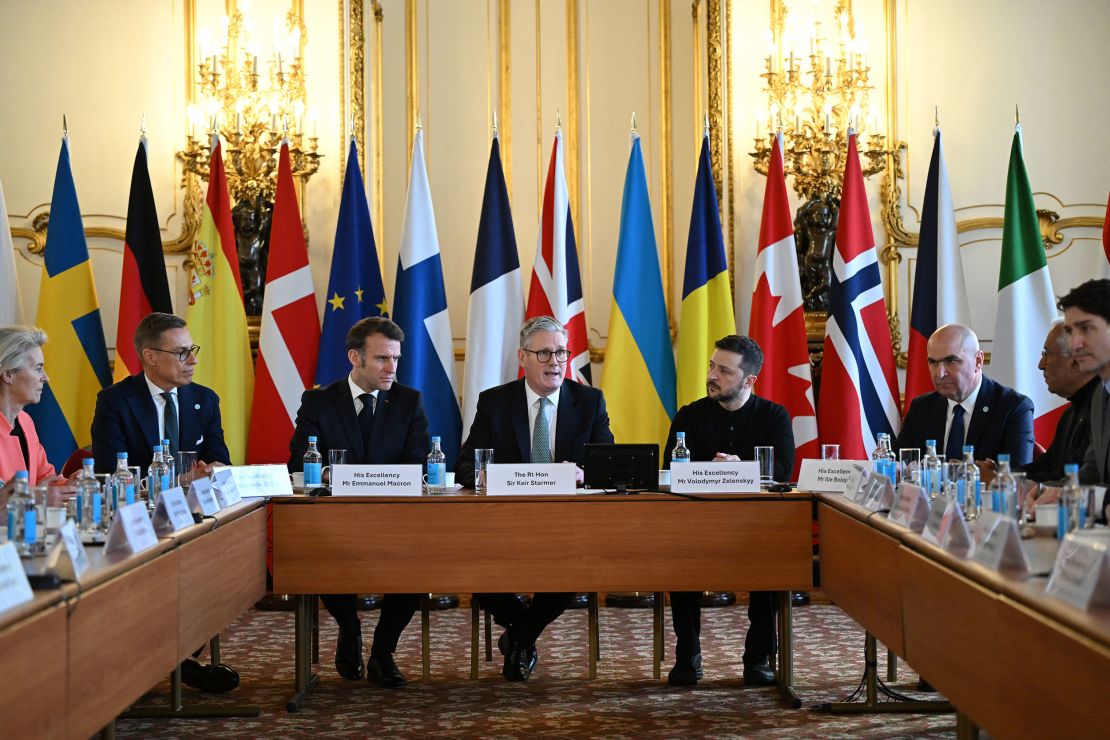
European NATO members are stepping up to reshape the alliance, demonstrating a significant commitment to self-reliance. At the recent Ankara Summit, allies, facing clear signals of shifting U.S. priorities and continued calls for increased burden-sharing, reaffirmed an ambitious defense spending target of 5% of GDP by 2035, with European nations and Canada boosting core defense budgets by 11% this year alone. This move directly addresses a critical pivot towards a more autonomous 'European pillar' within NATO, marked by a surge in joint defense initiatives and industrial capacity building. This renewed European drive is not just about numbers; it's a strategic realignment driven by a complex global security landscape, including Russia's ongoing aggression in Ukraine and recent conflicts like the Iran war, which underscore Europe's need for independent security capabilities. The European Commission is actively supporting this shift, recently proposing five new European Defence Projects of Common Interest (EDPCIs) with substantial funding, alongside the European Defence Fund €1 billion allocation for cutting-edge R&D in areas like hypersonic defense and future battle tanks. These efforts aim to overcome historical reliance on the United States and build a robust, interconnected European defense industrial base. Looking ahead, the focus is squarely on 'NATO 3.0' – a vision of a stronger Europe contributing significantly to a stronger NATO. Key initiatives like the Canada-led Defense, Security and Resilience Bank (DSRB), designed to mobilize billions for defense projects, highlight the push for sustainable funding and joint procurement. While significant hurdles remain, particularly in achieving true strategic autonomy and overcoming defense trade barriers, European leaders are clear: the era of outsourcing much of its defense is over, and the continent is now actively forging its own security future.