Europe's Gas Reserves Lag Critically Amid Hormuz Turmoil, Threatening Winter Ahead
Context mode is active. Hover over any highlighted term to see its definition. Click a nested term to go deeper.
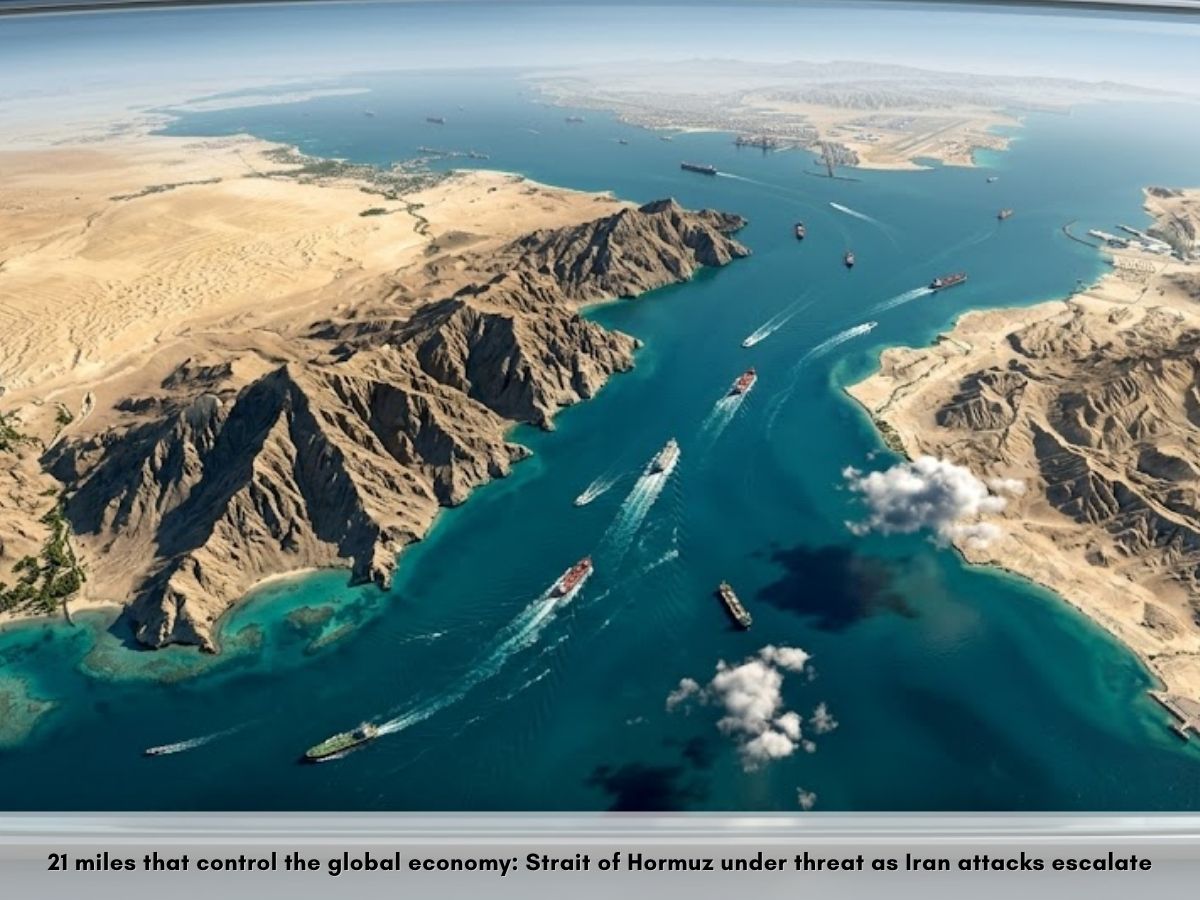
Europe's underground gas storage (UGS) facilities are barely over half full, hovering around 49-50% capacity, putting the continent on a precarious path as the critical winter heating season looms. This 54 billion cubic meters (bcm) represents a worrying 11 bcm deficit compared to last year's reserves at the same time, severely challenging the EU's mandated 90% filling target by November 1. Compounding this challenge, liquefied natural gas (LNG) imports into Europe have plummeted to a 20-month low, with daily flows in early July dropping by 30% year-on-year, according to Gas Infrastructure Europe (GIE) data. The primary culprit behind this critical shortfall is the ongoing disruption in the Strait of Hormuz, a vital shipping lane for Qatari LNG, which has been severely impacted by geopolitical tensions since early March. While diplomatic efforts are underway, the sustained closure has choked off a significant portion of global LNG trade, forcing Europe into fierce competition with Asia for scarce supplies and driving up spot market prices. This dire situation is exacerbated by an ongoing heatwave across Northwest Europe, which is boosting electricity demand for cooling and thus increasing natural gas consumption, drawing down reserves further instead of building them up for winter. Analysts now project Europe will likely miss its 90% winter storage target, possibly reaching only 70-78% capacity by November 1, leaving the continent with its thinnest winter gas cushion since 2022. With only four months left in the injection season, Europe needs to inject at least another 68 bcm to hit its goal, a monumental task under current supply constraints. The reliance on US LNG is deepening, but global supply chain vulnerabilities and escalating geopolitical risks in key energy transit regions mean European households and industries face the real prospect of continued high energy costs and potential supply squeezes this coming winter.