EV Market Sees Mixed Signals as Ford Settles Union Deal, Honda Eyes New Factory
Context mode is active. Hover over any highlighted term to see its definition. Click a nested term to go deeper.
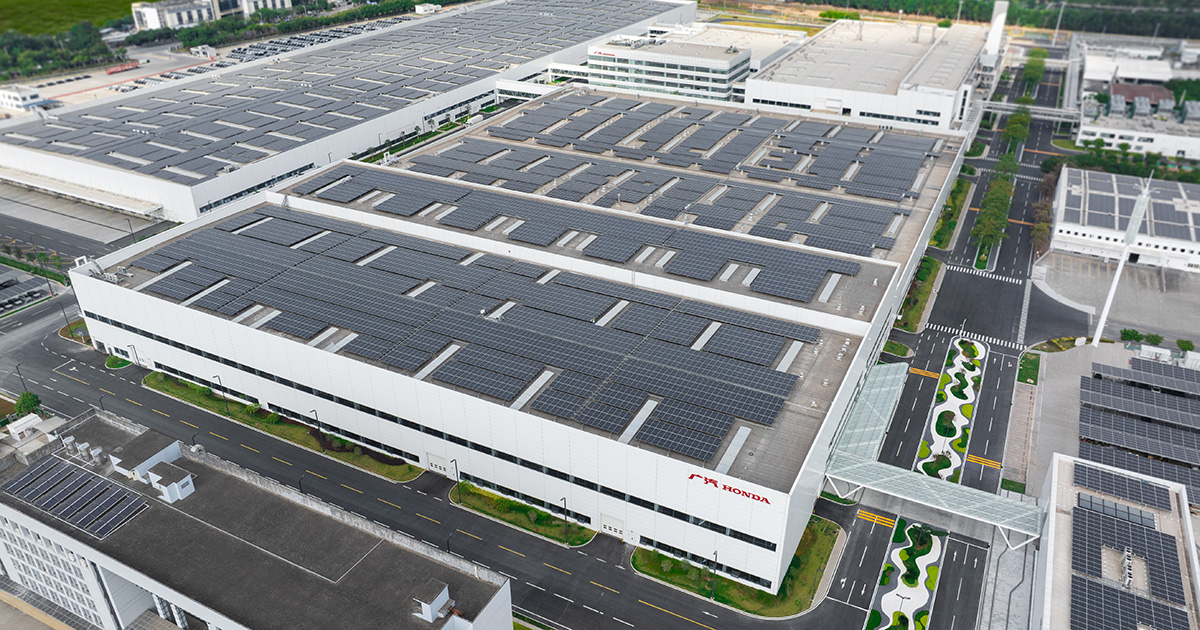
The global electric vehicle (EV) market is showing mixed signals, with sales in May 2026 only seeing a small dip, which some experts call an improvement after earlier sharp declines. While worldwide EV sales grew by 3% year-on-year in May to 1.8 million units, the US market saw a modest 0.7% decrease compared to last year, marking the smallest drop in eight months. This comes as Canadian Ford workers have successfully ratified a new three-year contract, and Honda considers building another factory in North America to boost production for popular hybrid and traditional gasoline cars. This trend in EV sales suggests a tricky path ahead for automakers, as the initial rapid growth seen in previous years slows down. Many car companies, like Honda, are now adjusting their plans, moving away from purely electric cars to focus more on hybrid vehicles (cars that use both petrol and electricity) due to changing customer demand and fewer government incentives. At the same time, major labor agreements, like the one between Ford and its Canadian union Unifor, are shaping the future of car manufacturing by securing jobs and significant investments in local factories. Ford has committed over $1.2 billion (USD) into its Canadian operations, including plants in Windsor and Oakville, which will retool to build high-demand Super Duty trucks. Looking ahead, the ratified Ford contract is expected to set a pattern for upcoming talks with other big carmakers like General Motors and Stellantis, influencing the entire North American auto industry for the next three years. Honda potential new factory in North America would also mark a strategic shift, aiming to meet strong demand for conventional and hybrid vehicles and avoid potential import taxes, especially after stopping its dedicated EV program. These moves highlight a broader industry trend where carmakers are carefully balancing the shift to electric vehicles with the ongoing demand for traditional and hybrid options, while also navigating labor relations and global trade policies.