Exiled Hasina Vows Bangladesh Return, Calls 2024 Uprising a 'Conspiracy'
Context mode is active. Hover over any highlighted term to see its definition. Click a nested term to go deeper.
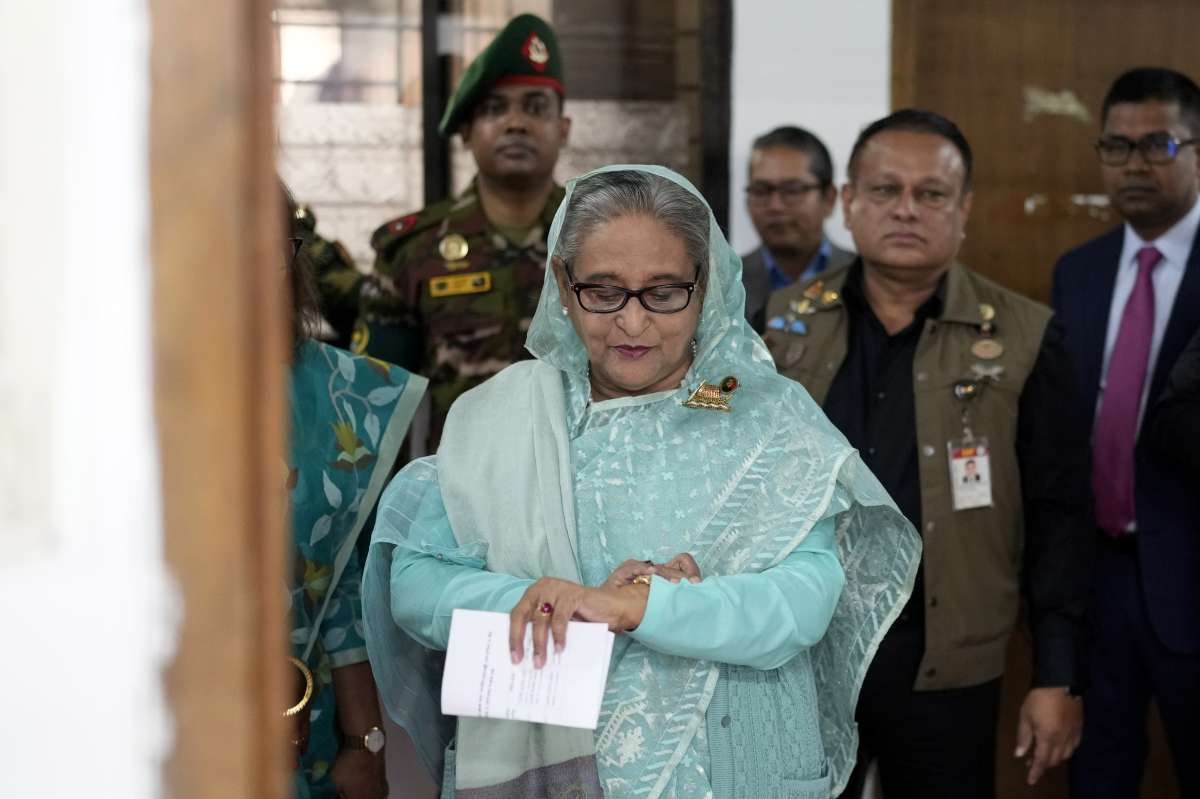
In a defiant virtual address from Delhi, former Bangladeshi Prime Minister Sheikh Hasina on August 5, 2026, vehemently denied wrongdoing during her 15-year rule, labeling the devastating 2024 uprising that ousted her as an 'organised conspiracy' aimed at regime change. This marks her first major public statement since fleeing Bangladesh two years ago, and she boldly announced her intention to return home by December 2026, despite facing a death sentence in absentia. The 2024 uprising, also known as the 'Gen Z Revolution', was sparked by widespread student protests against a controversial government job quota system, which quickly escalated into a national movement against her government's authoritarianism, corruption, and economic issues. Following her ouster, an Interim Government of Bangladesh, led by Nobel laureate Muhammad Yunus, assumed power, later banning Hasina's Awami League party in May 2025 and seeing her convicted of 'crimes against humanity' related to the crackdown. Bangladesh has officially expressed its 'deep regrets' and 'concerns' to India over Hasina's political activities from its territory, underscoring significant Diplomatic Tensions between the two nations. Hasina's planned return by year-end sets the stage for a dramatic political showdown with the current Bangladesh Nationalist Party (BNP) government, led by Prime Minister Tarique Rahman, who came to power in the February 2026 general elections. Her presence in Bangladesh, despite legal challenges and the ban on her party, could reignite political instability and intensify calls for accountability regarding the 2024 violence, which reportedly claimed up to 1,400 lives. Observers will be watching closely how her return impacts the delicate political landscape and India-Bangladesh relations.