Extreme Heat: A Global Classroom Crisis Jeopardizing Children's Learning Futures
Context mode is active. Hover over any highlighted term to see its definition. Click a nested term to go deeper.
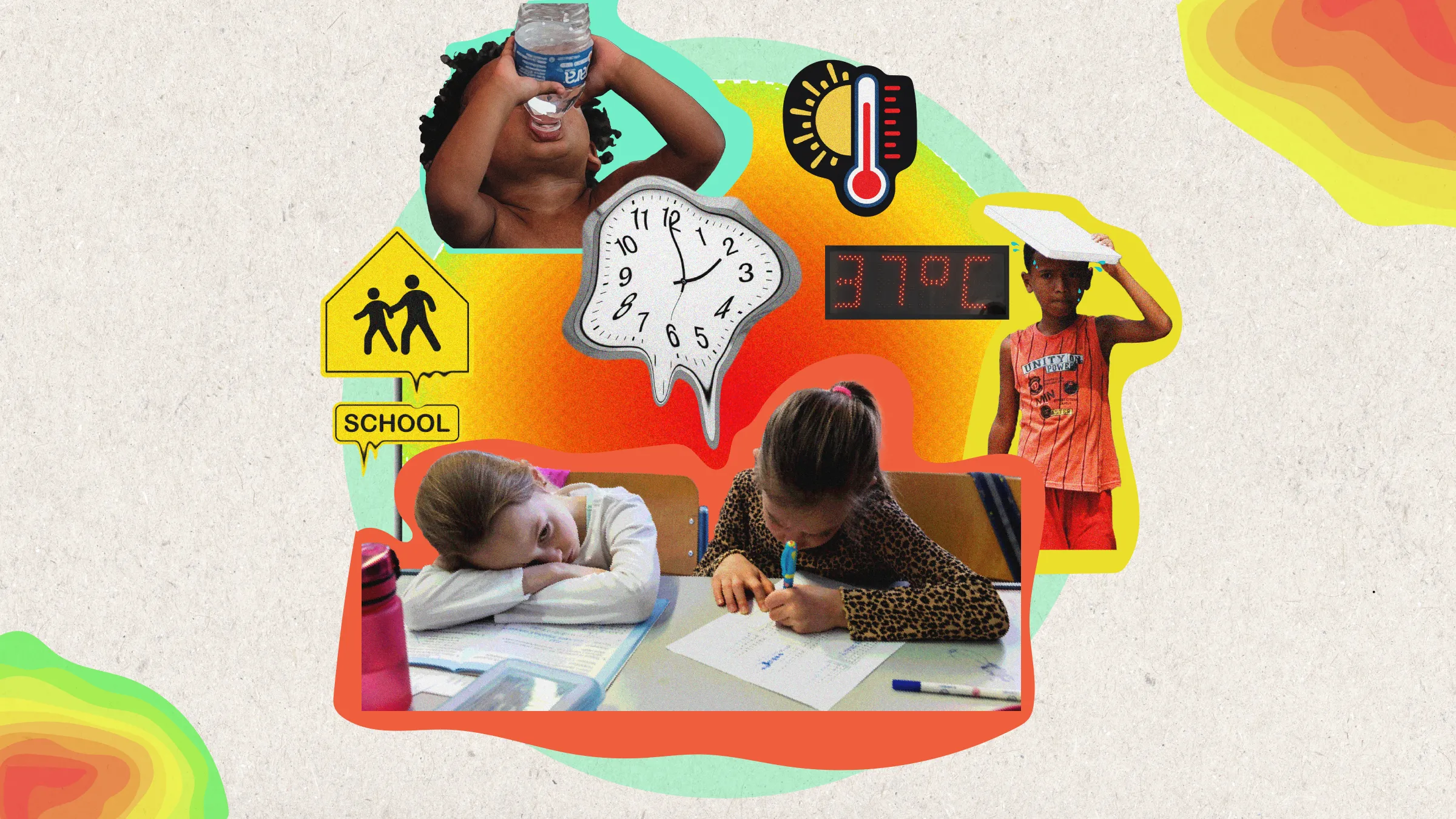
The academic year is facing an unprecedented challenge as extreme heat increasingly cripples classrooms worldwide, with recent reports underscoring a deepening crisis for children's health and learning. A new August 2026 report from the American Psychological Association (APA) and the Network for Resilient PK–12 Schools reveals how soaring temperatures directly impair students' attention, memory, and cognitive abilities, translating into tangible learning loss and lower test scores across the United States. This alarming trend isn't confined to a single nation; UNICEF's 2026 Children's Climate Risk Report, released in June, warns that nearly 1.5 billion children globally are already exposed to intensifying heatwaves, fundamentally disrupting their education and well-being. This escalating climate crisis disproportionately affects vulnerable communities, with low-income and minority students experiencing significantly greater declines in academic performance. The physical infrastructure of many schools, often lacking adequate cooling systems and not designed for current climate realities, exacerbates the problem, forcing widespread school closures, remote learning shifts, and altered schedules. In the 2024-25 school year alone, over 9 million US students across 10,000 schools faced heat-related disruptions, while globally, 242 million students saw their schooling interrupted by climate hazards in 2024. Beyond academics, prolonged heat exposure elevates stress hormones, disrupts sleep, and increases mental health risks, creating a compounding threat to childhood development from early ages. In response, governments and organizations are scrambling for solutions, from California's new laws mandating school heat-safety plans by July 2026 to global initiatives like CDRI's 'Heat Smart Schools' framework. The focus is shifting towards integrated strategies, including upgrading HVAC systems, implementing passive cooling designs like cool roofs and shading, and developing comprehensive heat action plans. These urgent adaptations aim to mitigate immediate risks and build long-term resilience, ensuring that foundational learning environments can withstand a warming world and protect the educational futures of generations to come.