Exxon, Chevron investors cautious after oil news
Context mode is active. Hover over any highlighted term to see its definition. Click a nested term to go deeper.
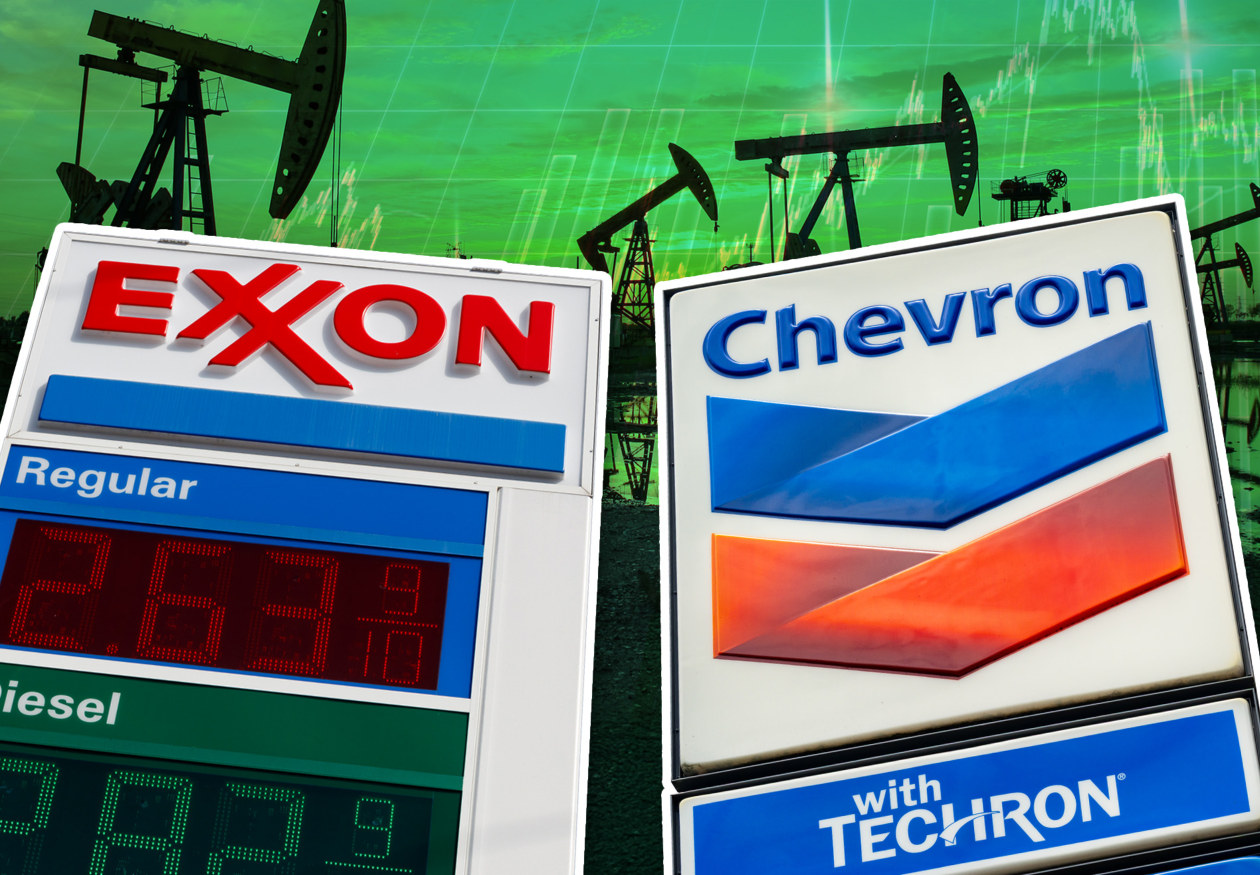
Oil prices have plummeted to pre-conflict levels, sending shivers through Exxon Mobil and Chevron investor base, after the US Treasury unexpectedly issued a sweeping General License X on June 22, 2026. This move effectively unlocked Iranian crude oil exports and, coupled with progress in US-Iran ceasefire talks, unwound the significant 'war premium' that had been driving energy stocks to record highs for much of the year. Brent crude, the global benchmark, tumbled over 3.5% immediately and continued its slide, wiping out a substantial portion of the previous gains for the oil giants. For months, the US-Iran conflict and its impact on the Strait of Hormuz—a crucial chokepoint for global oil transit—had severely restricted supply, pushing crude prices above $120 per barrel and creating record profits for integrated supermajors like Exxon and Chevron. Despite some production losses and derivative accounting challenges due to volatility, these companies had thrived on the tight market, with Exxon's energy products segment earning $2.8 billion in Q1 2026, up significantly year-over-year. However, the new license allows global buyers to purchase, transport, and pay in US dollars for Iranian oil, removing a major practical barrier and signaling a rapid return of supply to markets. Looking ahead, analysts from JPMorgan and Goldman Sachs are already slashing their oil price forecasts for late 2026 and 2027, anticipating further declines. The International Energy Agency has also downgraded its global oil demand forecast for 2026, expecting a 1.1 million barrel per day decline. Investors will be keenly watching Exxon Mobil and Chevron upcoming Q2 2026 earnings reports, expected around July 31 and August 7 respectively, for clearer indications of how this rapid market shift is impacting their bottom lines and future strategies amidst a suddenly more supplied global market.