What If Animals Were Always Talking, And We’ve Only Been Listening the Wrong Way?
Context mode is active. Hover over any highlighted term to see its definition. Click a nested term to go deeper.
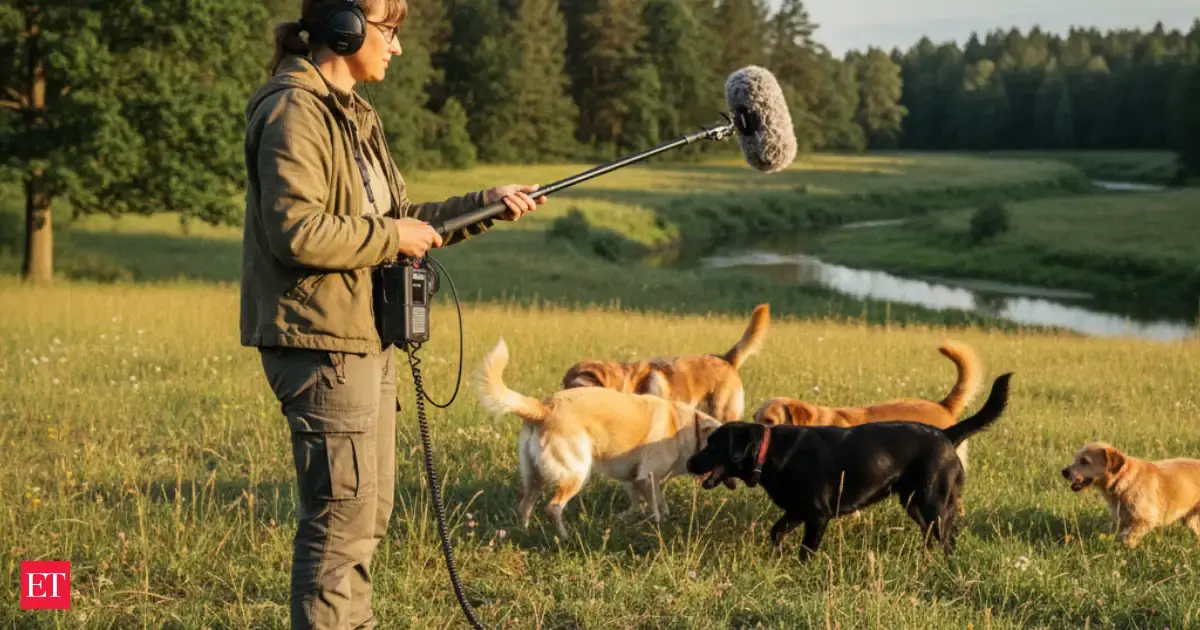
Groundbreaking new research, propelled by advanced Artificial Intelligence (AI), is transforming our understanding of animal communication by shifting focus from simple symbolic exchanges to the subtle emotional context embedded in their vocalizations and body language. Early studies, which primarily sought direct human-like 'words' or symbols, are being superseded by AI-driven techniques capable of deciphering complex patterns in animal behavior and sounds, revealing deeper insights into their feelings and intentions. This paradigm shift is critically important because it promises an unprecedented level of interspecies understanding, moving beyond mere observation to potentially interactive dialogues with other species, fostering stronger connections between humans and the natural world. On a macroeconomic scale, the accelerating development and integration of AI across diverse sectors, including bioacoustics and conservation, underscores a global trend of massive investment and rapid technological advancement, while also bringing to the forefront vital ethical considerations regarding privacy, consent, and the responsible application of powerful AI tools in sensitive domains.