Liquid metal works great as thermal paste, but the hidden costs aren't worth it
Context mode is active. Hover over any highlighted term to see its definition. Click a nested term to go deeper.
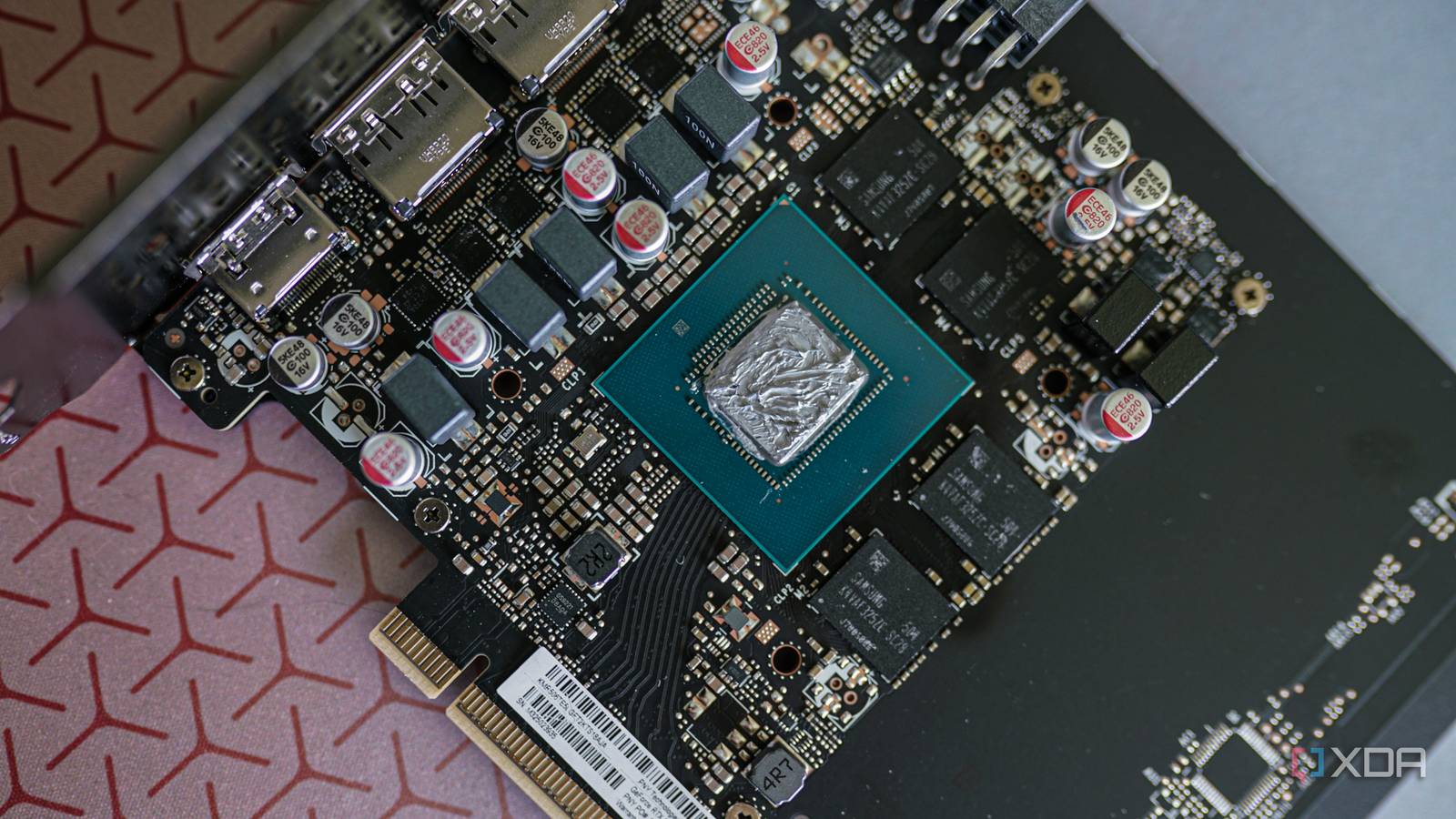
Recent analysis confirms that while liquid metal offers superior thermal conductivity compared to traditional thermal paste, its practical application in consumer electronics, particularly for CPU and GPU, is fraught with significant hidden costs and risks. These drawbacks, including the potential for electrical short circuits and material degradation, largely negate the performance benefits for the average user and professional alike, making it an unviable mainstream cooling solution. The fundamental 'why' stems from liquid metal unique properties: its high electrical conductivity, coupled with its reactivity with common metals found in PC components like aluminum. This inherent characteristic means direct contact can lead to galvanic corrosion, damaging heatsinks and other critical hardware over time, or cause immediate short circuits if it leaks onto the circuit board. These risks are not just theoretical; they demand specialized application techniques, non-conductive barriers, and often void warranties, introducing considerable financial and operational burdens that overshadow the marginal gains in cooling efficiency.